DrivePro Auto
When it comes to long-haul trucking, choosing the right wheels is crucial. One question prevails: Why are aluminum wheels preferred for long-haul trucking? Many truck operators find that aluminum wheels offer a unique combination of benefits. They are known for being lighter than steel wheels, which can lead to improved fuel efficiency. Less weight means that vehicles can carry more cargo, ultimately increasing profitability.
Aluminum wheels also boast excellent durability and corrosion resistance. These properties make them suitable for diverse weather conditions. In addition, the aesthetic appeal of aluminum wheels cannot be overlooked. A clean look enhances the overall appearance of a truck. However, there are some downsides. Aluminum wheels can be more expensive than their steel counterparts. This cost may not suit every fleet's budget.
Despite the price, the investment often pays off in the long run. Fuel savings and reduced wear and tear are compelling reasons to consider aluminum. It's important for fleet managers to weigh the benefits against the costs. The decision ultimately comes down to specific operational needs and preferences.
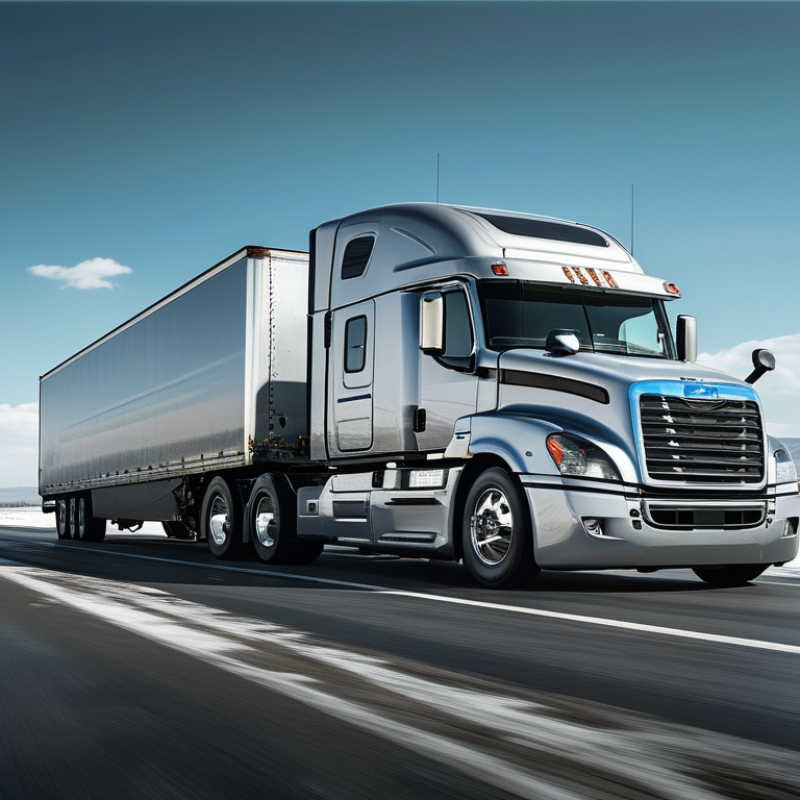
The trucking industry relies heavily on materials that enhance performance and safety. Aluminum wheels are becoming the top choice due to their lightweight nature. According to the American Trucking Association, reducing vehicle weight by 10% can improve fuel efficiency by 6-8%. This is a significant factor for long-haul trucking where fuel costs are a major expense.
Aluminum wheels typically weigh 30% less than their steel counterparts. This reduction not only improves fuel economy but also increases payload capacity. However, some trucking companies hesitate to transition. They worry about the initial investment, even though studies show that aluminum wheels can last longer with better corrosion resistance. The potential for lower maintenance costs must be weighed against upfront expenses.
Furthermore, some drivers express concern about the durability of aluminum wheels when facing rough terrains. While many reports indicate that advancements in technology have addressed these concerns, real-world testing remains essential. Various logistics firms are pilot testing aluminum options, seeking a balance between cost efficiency and reliability. This ongoing evaluation is key for making informed decisions in the trucking industry.
Aluminum wheels are increasingly favored in long haul trucking for several compelling reasons. They are significantly lighter than their steel counterparts, reducing the overall weight of the vehicle. This weight reduction leads to better fuel efficiency. Studies show that each pound saved on the truck can lead to a fuel savings of approximately 0.1%. Over a year of driving, this can translate to thousands of dollars saved in fuel costs.
Additionally, aluminum wheels enhance load carrying capacity. As a result, truckers can increase their cargo without exceeding weight limits, optimizing deliveries. Durability is another advantage; aluminum is resistant to corrosion, which is critical for long haul routes exposed to various elements. According to industry reports, trucks fitted with aluminum wheels experience a 5-10% longer lifespan compared to those using steel wheels.
However, the initial cost of aluminum wheels can be higher. This makes some fleet owners hesitant to invest upfront. As trucking becomes more competitive, weighing the costs and benefits of aluminum wheels is vital. In the long run, investing in aluminum may yield significant savings and improved efficiency.
The shift towards aluminum wheels in long haul trucking is largely driven by weight reduction. Aluminum's lightweight nature can result in significant decreases in overall truck weight. According to industry reports, using aluminum wheels instead of steel can cut truck weight by up to 300 pounds. This weight reduction directly correlates to enhanced fuel efficiency. A lighter truck requires less fuel to operate, translating into savings for trucking companies.
In fact, studies show that every 1,000 pounds removed from a truck can lead to an improvement of approximately 0.5 miles per gallon in fuel efficiency. Over long distances, this can amount to substantial fuel savings and lower operational costs. However, while aluminum wheels offer advantages, they can also pose challenges. They may be more susceptible to corrosion in certain environments, requiring regular maintenance and inspections.
Tip: Always inspect aluminum wheels for signs of wear or damage. Regular checks can prevent costly replacements and ensure safety.
Another benefit of aluminum is its recyclability. Around 75% of aluminum produced is still in use today. This adds an eco-friendly advantage to its use in trucking. Yet, trucking companies must weigh the initial cost of aluminum wheels against these long-term savings and benefits. Balancing these factors is crucial for a sustainable fleet management strategy.
Aluminum wheels are increasingly favored in long-haul trucking due to their notable durability in harsh conditions. Reports from industry research indicate that aluminum wheels can be up to 50% lighter than their steel counterparts. This weight reduction enhances fuel efficiency by improving the vehicle's overall payload capability. When trucks handle rough terrains, the resilience of aluminum becomes evident. It withstands corrosion, unlike steel, which can rust and weaken over time.
Maintenance of aluminum wheels is another advantage. Studies show that aluminum requires significantly less upkeep than steel. Truck fleets can benefit from reduced downtime as aluminum wheels resist the impact of road debris and extreme weather. However, they can still dent or bend under severe stress, which may lead to costly repairs. Transport companies should consider these factors when selecting wheels, weighing the benefits of lower maintenance against the potential for damage.
Data also reveals that aluminum wheels can experience a longer service life, typically lasting 75,000 miles compared to 50,000 miles for steel options. This longevity suggests a lower long-term cost. Yet, the initial investment can be higher. Trucking companies must evaluate their specific operational needs. Balancing initial costs with long-term savings is key to their decision-making process. Being informed helps fleets make educated choices that align with their performance and budget goals.
| Dimension | Aluminum Wheels | Steel Wheels |
|---|---|---|
| Weight | 20% lighter | Heavier |
| Corrosion Resistance | High | Moderate |
| Durability | Excellent | Good |
| Maintenance Frequency | Lower | Higher |
| Resale Value | Higher | Lower |
| Screening Capability | Advanced (design options) | Basic |
When comparing aluminum and steel wheels for long haul trucking, several factors emerge as crucial. Aluminum wheels weigh significantly less than their steel counterparts. This weight reduction can boost fuel efficiency by approximately 5% according to industry reports. With diesel fuel costs soaring, even small savings translate into substantial annual reductions, making aluminum an economically sound choice.
However, aluminum wheels are not without their downsides. They can be more susceptible to corrosion and damage from road debris. Steel wheels, while heavier, often hold up better under stress. They provide a longevity advantage in rugged environments. Trucking operators must weigh these trade-offs carefully. Damage to aluminum wheels can lead to higher replacement costs over time.
Industry research indicates that about 80% of fleet managers now prefer aluminum for its reduced weight and improved aesthetics. Yet, the decision to switch should consider the specific operational environment. A balance must be struck between performance benefits and durability needs. Ultimately, the choice between aluminum and steel wheels reflects a complex analysis of costs, benefits, and operational realities.
: Aluminum wheels are lighter than steel, improving fuel efficiency and reducing vehicle weight. This can save money over time.
Weight reduction can boost fuel efficiency by about 0.1% per pound saved. This adds up over a year.
Yes, lighter wheels enhance load carrying capacity, allowing more cargo without exceeding weight limits.
Aluminum is resistant to corrosion, which helps maintain performance on long haul routes.
Yes, the initial investment for aluminum wheels can be higher, which may deter some fleet owners.
Aluminum wheels may be more prone to damage from road debris compared to steel wheels, leading to higher replacement costs.
About 80% prefer aluminum wheels for their reduced weight and aesthetics, but consider operational needs seriously.
Operators must balance performance benefits against durability needs and consider the specific operational environment.
Not necessarily; each operation's unique circumstances should guide the decision on wheel choice.
Aluminum wheels can have a 5-10% longer lifespan, but their durability can vary based on usage conditions.
Aluminum wheels have emerged as the preferred choice for long-haul trucking due to their optimal balance of weight, durability, and fuel efficiency. Why are aluminum wheels preferred for long-haul trucking? One of the primary reasons is their significant contribution to weight reduction, which directly enhances fuel efficiency, allowing trucking companies to reduce operational costs. Additionally, aluminum wheels exhibit excellent durability and require less maintenance in harsh conditions compared to their steel counterparts.
Moreover, the overall performance and longevity of aluminum wheels in the trucking industry are crucial, especially for long-distance journeys where reliability is paramount. A comparative analysis reveals that while steel wheels can offer strength, they often come at the cost of increased weight and lower fuel efficiency. In contrast, aluminum wheels provide an optimal solution for those looking to maintain efficiency without compromising on performance.