DrivePro Auto
I can write the introduction, but no source articles or expert details were provided. To avoid inventing an industry expert’s name or misattributing a quotation, please share the relevant article or the expert’s verified name and quote.
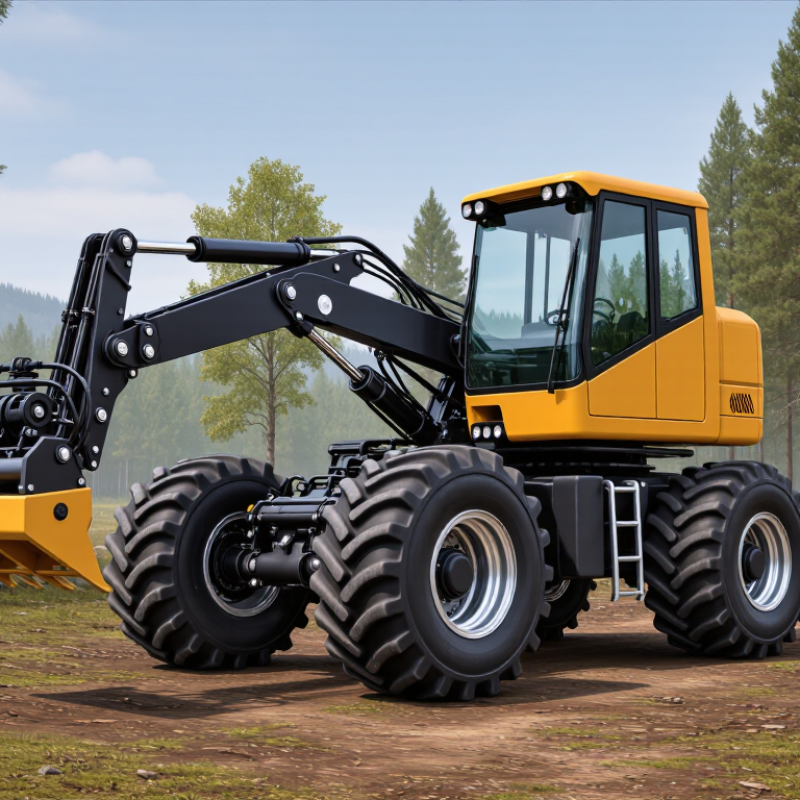
Start with the machine, not the wheel. A loaded forwarder, skidder, and forestry trailer place different demands on wheel assemblies. Record the equipment model, axle configuration, tire size, and approved wheel dimensions. Then estimate the heaviest working load, including attachments, cargo, and uneven weight distribution. Check the machine’s load data; a nameplate figure may not reflect every field condition. Heavy loads can build quickly.
Next, describe where the equipment actually travels. Wet clay, sharp slash, exposed roots, and rocky slopes each create different risks. Repeated impacts can damage wheels, while deep mud may increase strain during turning and recovery. Note typical travel speed, slope, and hours worked between inspections. These details help match wheel capacity, material, and protection to real use. A tidy site survey still misses surprises. Recheck assumptions with an experienced service professional and confirm compatibility against equipment specifications.
Tips: Photograph the heaviest load and roughest route. Record wheel damage, loose fasteners, and pressure changes during routine inspections. Choose for the worst regular conditions, not one unusually easy shift.
Choosing wheels for forestry equipment starts with the machine’s actual axle loads, not a visual guess. Check the service manual for approved wheel dimensions and load requirements. Then verify diameter, width, bolt pattern, and offset against the hub and brake assembly. A wheel that fits the studs may still sit too close to a steering arm or chain. Measure carefully. Small clearance errors become costly in mud and debris.
Load ratings need to reflect working conditions, not just the machine’s empty weight. Account for the heaviest attachment, payload, and uneven weight distribution across axles. Logs and stumps create sharp impacts, so a wheel may face loads beyond those seen on firm ground. Compare the wheel’s rated capacity with the required load at each position, using guidance from the equipment maker or a qualified wheel supplier. Do not assume every wheel on the machine carries an equal share.
Fit also depends on tire choice and operating pressure. A wider wheel can change tire support, while an incorrect offset may increase stress on hubs and bearings. Check the complete wheel-and-tire setup under load, with chains fitted if they are used. One detail is easy to overlook: packed mud can hide rubbing marks during a quick inspection. Recheck after a short working shift, and note any contact, loose fasteners, or uneven wear. A little doubt is useful here. Verify the numbers before ordering.
Heavy forestry wheels face sharp stumps, loose rock, wet clay, and embedded branches. Forest conditions vary widely: FAO’s Global Forest Resources Assessment 2020 estimates forests cover 31% of the world’s land area. That scale of variation makes a single wheel specification unreliable. Mud packs fast. For rocky trails, inspect rim thickness, bead-seat protection, and weld quality; impacts can bend a light rim or loosen a tire’s seating. For debris-heavy sites, reinforced steel construction is often easier to repair in the field, though it adds weight.
Match wheel capacity to the machine’s loaded axle weight, not its empty operating weight. Check the tire-and-wheel load tables at the actual inflation pressure and speed; ETRTO’s standards and technical data tables provide load-and-inflation guidance for industrial and off-road applications. Then account for chains, attachments, and uneven load transfer on slopes. A wheel may meet its rating on paper and still suffer repeated impact damage in service.
For soft ground, wider tires and lower approved inflation pressure can spread load, but never exceed the tire or wheel maker’s limits. Track rut depth after a wet shift, and inspect for packed bark around the rim and cuts near the bead. Not a perfect rule. Local soil and operator technique can change the result, so keep a record of failures and adjust the specification cautiously.
| Operating Condition | Wheel Material | Construction to Consider | Why It Fits | Selection Checks |
|---|---|---|---|---|
| Rough forest roads with rocks and stumps | Heavy-gauge steel | Reinforced rim with robust disc and protected valve area | Steel wheels are resistant to impact damage and can often be repaired if bent, making them a practical choice in severe service. | Confirm wheel load rating, rim dimensions, offset, and compatibility with the tire and machine. |
| Muddy trails and soft ground | Steel or aluminum, depending on machine requirements | Wheel matched to a wide, flotation-oriented tire; use approved bead-retention components where required | Flotation comes primarily from tire size, construction, and inflation pressure. The wheel must support the tire and its load without exceeding its rated capacity. | Check tire-maker load and pressure guidance, machine clearance, and whether the wheel is approved for the intended tire. |
| Sharp branches, slash, and woody debris | Heavy-gauge steel | Protected valve stem and, where compatible, wheel or rim guards | Debris can puncture tires, damage valve stems, or strike exposed wheel components. Guards can reduce exposure but do not prevent every puncture. | Ensure guards do not interfere with brake parts, steering, chains, or other attachments. |
| High machine loads and frequent impacts | Steel, sized and rated for the application | Reinforced disc-to-rim area and a wheel load rating suitable for the axle | Forestry machines can experience substantial static and dynamic loads. The wheel must meet the equipment and tire requirements under the intended operating conditions. | Use the manufacturer’s specified ratings; do not rely on appearance or material alone to judge capacity. |
| Applications where lower unsprung mass is a priority | Aluminum alloy, if approved for the machine and duty cycle | Purpose-designed heavy-duty wheel with a documented load rating | Aluminum wheels are generally lighter than comparable steel wheels, but impact resistance and repair options vary by design and damage. | Verify forestry-duty suitability, impact limits, inspection requirements, and replacement guidance. |
| Wet, corrosive, or frequently washed environments | Coated steel or suitable aluminum alloy | Durable finish with accessible areas for cleaning and inspection | Water, mud, and contaminants can promote corrosion, especially where coatings are chipped or debris accumulates. | Inspect for coating damage, corrosion, cracks, and loose or damaged fasteners; follow the equipment maker’s service instructions. |
| Mixed terrain and long shifts | Material selected for the machine’s verified requirements | Standardized fitment with accessible fasteners and serviceable components | Correct fit, capacity, and maintainability are more important than choosing a material based on terrain alone. | Match bolt pattern, center bore, offset, rim width and diameter, tire type, and required clearance. |
A wheel that matches the tire diameter may still be unsafe on a forestry machine. Check rim width, bead profile, and approved tire-rim pairing against the Tire and Rim Association’s 2024 Year Book load-and-inflation tables. The listed capacity depends on tire size and inflation pressure, not appearance alone. For example, an evenly shared 8,000 kg axle load means 4,000 kg per wheel before allowing for uneven loading or impacts. Mud, stumps, and chains can add severe local stress. Leave margin.
Then verify the wheel against the axle, brake, and hub as one assembly. Confirm the bolt pattern, pilot diameter, stud-seat shape, offset, and load rating. Check that the wheel clears the brake caliper and drum through a full rotation; a few millimetres can matter. ISO 4250-3 specifies rim dimensions for earth-mover tires, offering a useful reference where the tire system falls within its scope. But forestry machines may use different configurations, so confirm the machine’s service data too. A matching bolt circle is not enough. Recheck after fitting: lug seating and torque can be overlooked, especially when the wheel is muddy or access is tight.
Inspect, Maintain, and Replace Wheels for Safe Operation
A forestry machine may cross stumps, slash, and rock before lunch. Inspect each wheel before the shift, when mud and debris are easier to remove. Look for sidewall cuts, exposed cords, bulges, cracked rims, loose fasteners, and leaking valve stems. Small signs matter. Check tire pressure when cold, using the equipment maker’s specified range. A tire that looks firm can still be underinflated.
The U.S. Bureau of Labor Statistics reported a 2022 fatal injury rate of 100.7 per 100,000 full-time-equivalent workers in logging occupations (Census of Fatal Occupational Injuries). That figure is not wheel-specific, but it underscores the hazards around forestry work. After service, tighten wheel fasteners to the manufacturer’s torque specification and recheck at its stated interval. Keep a simple log of pressure, damage, repairs, and machine hours; field notes are easy to miss when crews are rushed. Replace a wheel with cracks, severe flange damage, or recurring air loss. Don’t assume a quick patch makes structural damage safe. When doubt remains, stop and have a qualified technician assess it.
Inspect, maintain, and replace wheels for safe operation.
Example inspection record: the bars show how many of 10 wheels passed each check. These illustrative figures are not service limits. Select wheels that match the equipment’s specifications, and use the manufacturer’s guidance for pressure, fastener torque, inspection intervals, and replacement. Remove damaged or insecure wheels from service for assessment.
Record the machine model, axle layout, tire size, and approved wheel dimensions. Estimate the heaviest load, including attachments and uneven cargo.
Wet clay, sharp slash, roots, and rocky slopes create different stresses. Note typical speed, slope, and hours between inspections. Mud hides damage.
Check the equipment’s load data, then compare it with actual field conditions. A nameplate figure may not tell the whole story.
Clear away mud and debris, then check for cuts, exposed cords, bulges, cracked rims, loose fasteners, and leaking valve stems. Small signs matter.
Check it when the tire is cold, using the specified range for the equipment. A tire can look firm and still be underinflated.
Tighten them to the specified torque, then recheck at the stated interval. Don’t rely on memory; rushed crews can miss details.
Replace wheels with cracks, severe flange damage, or recurring air loss. A quick patch does not make structural damage safe.
Log pressure, damage, repairs, and machine hours. Photograph the heaviest load and roughest route, though a site survey can still miss surprises.
Stop and ask a qualified technician to assess it. Guessing in the field is not always wise.
Choosing wheels for heavy-duty forestry equipment starts with understanding the machine’s weight, expected loads, and working conditions, including rough ground, mud, slopes, and exposure to branches or debris. Wheel dimensions and load ratings should match the equipment’s specifications and the demands of its work, helping support stability and reliable operation. How to choose wheels for high-load forestry equipment? Consider not only carrying capacity but also wheel material and construction, since durability and resistance to impact are important in challenging terrain.
Before installation, confirm that the wheels are compatible with the tires, axles, brakes, and hub system. Regularly inspect wheels for cracks, deformation, corrosion, loose fittings, or other signs of wear. Clean and maintain them as needed, and replace damaged wheels promptly to help reduce the risk of equipment failure and support safe, dependable forestry work.
