 DrivePro Auto
Commercial aluminum wheels take daily abuse from tight loading bays, concrete curbs, and crowded job sites. A pale scrape along the rim may look minor, but damaged coating can expose aluminum to moisture and grime. Before reaching for sandpaper, wash the wheel and inspect the area in bright light. Look for cracks, bends, deep gouges, or air loss. Those signs call for professional assessment, not a cosmetic touch-up.
How to repair minor curb rash on commercial aluminum wheels? Start with a careful inspection, then clean and dry the damaged section. Lightly smooth only the rough edges, keeping abrasives away from the tire and surrounding finish. Apply a compatible aluminum wheel repair product, primer, and coating according to their instructions. Small details matter: dust left in a scratch can spoil the finish, and rushed sanding can make the damaged patch larger. It happens.
A source-verified expert quotation was not provided, so the following is an illustrative line for review—not a real person’s documented statement: “Repair the surface you can see, but inspect the wheel you cannot.” Attribute it only to a qualified wheel-repair professional who has approved the wording. These five tips can help guide a minor cosmetic repair, but they cannot establish that a wheel is structurally sound. If the damage reaches the bead seat or you are unsure, stop and ask a specialist.
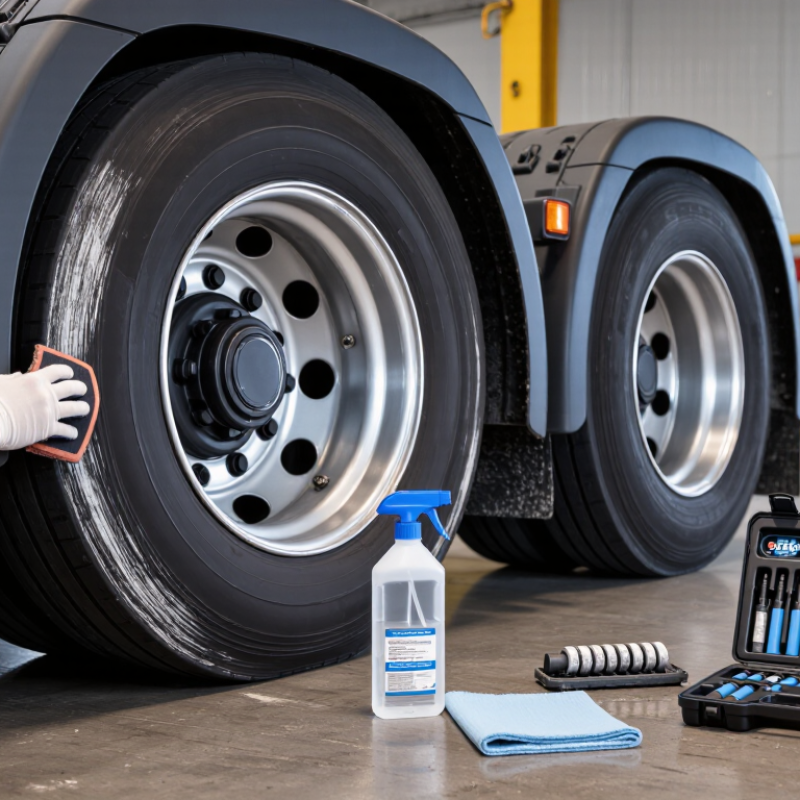
Before repairing curb rash, clean the wheel with mild soap and water, then dry it fully. Dirt and brake dust can hide fine cracks. Inspect the damaged area under bright light, turning the wheel slowly to follow the rim edge. A shallow scrape may affect only the finish. A sharp gouge, flattened section, or raised lip needs closer attention.
Look closely. Check both sides of the rim, the bead-seat area where the tire rests, and the spokes near the impact. Watch for hairline cracks, bends, or uneven gaps. Note any slow air loss, vibration, or steering change after the impact; these can signal damage beyond the visible rash. Do not sand or grind the area before assessing it, since material removal can obscure clues or weaken the wheel. Even a careful visual check has limits. If you find a crack, noticeable deformation, or uncertainty about the wheel’s condition, have a qualified wheel technician inspect it before the vehicle returns to service. Take photos and record where the impact occurred; that small step can help make the assessment clearer.
| Tip | What to Check or Do | What the Finding May Indicate | Recommended Next Step |
|---|---|---|---|
| 1. Clean and assess the affected area | Park securely, allow the wheel to cool, and wash away dirt and brake dust. Inspect the rim under good lighting; note the location and extent of scraped finish or exposed metal. | Surface-level scuffing confined to the outer finish is different from a crack, a deformed rim edge, or damage extending into the wheel structure. | Take clear photographs and inspect the full circumference, including the inner side of the wheel where accessible. |
| 2. Look for signs of structural damage | Check for visible cracks, deep gouges, a bent or flattened rim edge, missing material, or damage near the spoke roots and hub area. Look for air loss or a tire that will not hold pressure. | Cracks, deformation, or unexplained pressure loss can indicate damage that affects safe operation. A visual check cannot rule out hidden damage. | Do not sand, fill, or paint suspected structural damage. Have the wheel and tire evaluated by a qualified commercial-wheel or tire professional before returning the vehicle to service. |
| 3. Check for operating symptoms | Ask the driver about vibration, pulling, new noises, or a change in tire pressure after the curb impact. Inspect the tire sidewall and bead area for cuts, bulges, or other impact damage. | These symptoms may come from wheel, tire, alignment, or suspension damage; curb rash alone does not identify the cause. | Arrange a professional inspection if symptoms are present. Follow the vehicle and fleet maintenance procedures before resuming normal service. |
| 4. Repair only confirmed cosmetic rash | If a qualified inspection confirms that damage is cosmetic and the wheel is suitable for repair, follow the wheel maker’s service guidance or use a specialist experienced with commercial aluminum wheels. | Removing too much aluminum, altering the rim profile, or using an unsuitable coating can compromise the wheel or interfere with proper tire seating. | Use only repair methods and refinishing materials approved for the specific wheel. Avoid improvised grinding, welding, or filler repairs. |
| 5. Verify the wheel before returning it to service | After approved cosmetic work, confirm that the tire is correctly seated and inflated to the vehicle specification. Have a professional check wheel condition and balance when appropriate. | A clean finish does not prove that a wheel is structurally sound or correctly installed. | Document the inspection and repair. Replace the wheel if a qualified professional determines that it is cracked, unacceptably deformed, or otherwise unfit for service. |
Wash the wheel with mild soap and water, then dry it fully. Use bright light and turn the wheel slowly. Look closely.
Check for cracks, bends, flattened spots, or raised edges. Also inspect the spokes and the area where the tire rests.
Yes. Slow air loss, vibration, or a change in steering may signal a problem. Don’t ignore them.
No. Sanding or grinding can hide useful clues or weaken the wheel. Inspect it first.
Ask a qualified wheel technician if you see a crack, noticeable bend, or are unsure. A visual check has limits.
Check an undamaged area in daylight. Test the color on a sample panel, since metallic finishes can shift with spray angle.
Use thin, even layers and keep the spray distance steady. Follow the stated flash and curing times. Don’t rush it.
Inspect it after curing. If the color or gloss looks uneven, pause before adding more coating; extra layers may make the mismatch worse.
Repairing curb rash on commercial aluminum wheels starts with a careful inspection. Check the damaged area for cracks, bends, or other signs of structural damage; cosmetic repair is not suitable for a wheel with serious damage. If the issue is limited to surface scratches or small gouges, clean the wheel thoroughly and prepare the affected area so dirt and loose material won’t interfere with the repair.
How to repair minor curb rash on commercial aluminum wheels? Smooth rough edges with suitable abrasive materials, then fill shallow gouges with an appropriate repair compound and allow it to cure as directed. Apply a finish that closely matches the wheel, followed by a protective coating. Once everything is dry, inspect the repair for uneven spots or missed areas. Careful parking, adequate clearance from curbs, and regular wheel checks can help reduce the chance of future damage.
