DrivePro Auto
Choosing between magnesium and aluminum truck wheels involves more than comparing showroom weight. Material density matters. Magnesium has a density near 1.74 g/cm³, while aluminum measures about 2.70 g/cm³, according to ASM material data. This difference can reduce unsprung mass when the design remains structurally adequate. Every kilogram matters.
The U.S. Department of Energy’s Vehicle Technologies Office reports that a 10% vehicle weight reduction can improve fuel economy by roughly 6% to 8%. However, that estimate covers the entire vehicle, not wheels alone. Wheel design, tire size, axle load, and operating conditions change the result. The European Aluminium Association also identifies lightweight components as an important route toward lower transport energy use. These reports provide useful direction, but they do not guarantee equal savings for every truck.
Why do magnesium wheels differ from aluminum truck wheels? Magnesium can offer lower weight and sharper response, especially in performance-focused applications. Aluminum usually provides broader corrosion resistance, easier sourcing, and stronger commercial acceptance. Magnesium also needs careful coating control, because road salt, moisture, and stone impacts can expose vulnerable surfaces. That detail is easy to overlook. In real fleet work, durability may matter more than a dramatic scale reading. Professional wheel testing must still consider fatigue, impact, heat, brake clearance, and rated load capacity under applicable SAE or regional requirements. I have seen weight become the headline, while maintenance becomes the hidden cost. This comparison therefore examines measured performance, service conditions, manufacturing quality, and long-term reliability rather than treating one alloy as universally better.
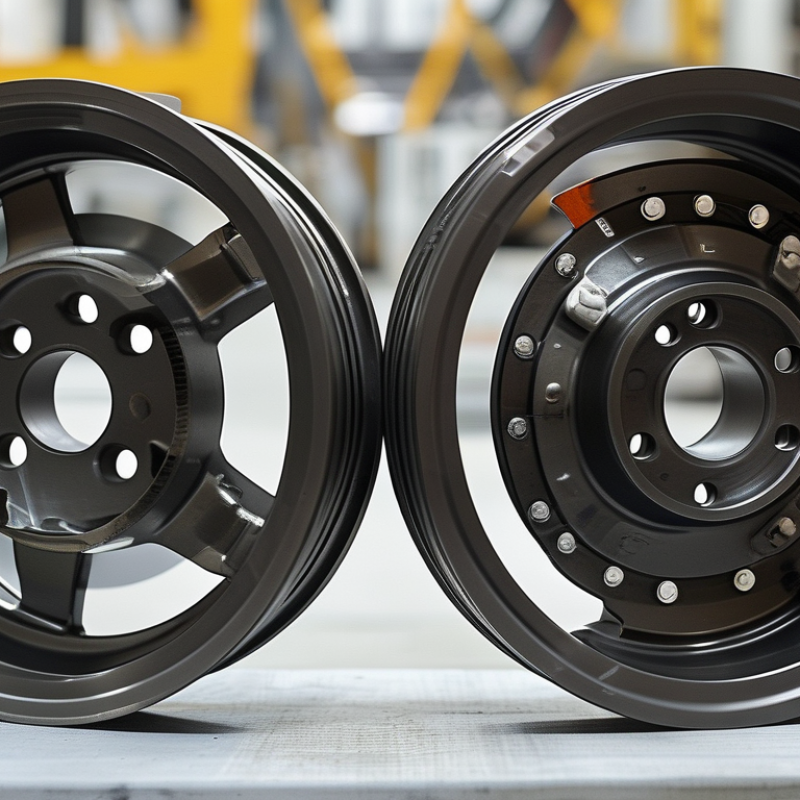
Magnesium and aluminum truck wheels are alloy wheels made by combining a base metal with smaller amounts of other elements. This changes their strength, weight, and resistance to damage. Magnesium wheels contain a high proportion of magnesium. They are notably light and can reduce unsprung weight, which may improve steering response and ride movement. They also transfer heat effectively. Still, they need careful surface protection.
Aluminum wheels use aluminum alloy, often formed by casting or forging. They are heavier than magnesium wheels, but usually offer a practical balance of strength, corrosion resistance, and service life. Their appearance can remain clean with regular washing, especially after driving through mud, salt, or construction dust. Aluminum is also easier for many workshops to inspect and replace. That matters.
The real difference appears during daily use. A magnesium wheel may feel responsive on a performance-focused truck, yet coating damage can expose the metal to corrosion. I would never judge it by weight alone. A bent rim, damaged bead area, or unclear load rating deserves attention. Aluminum can also crack or deform after a hard impact. It is not automatically safer. Experienced technicians check the wheel markings, mounting surface, fastener condition, and manufacturer-approved load capacity before fitting either material. Small details matter.
Typical density and strength-to-weight characteristics of common wheel materials
Magnesium alloys are approximately 36% lighter than aluminum alloys by density, while aluminum generally offers better corrosion resistance and easier long-term maintenance. Actual truck-wheel weight, durability, and load capacity depend on the alloy, wheel design, manufacturing process, and certified load rating.
Design begins with density. Magnesium weighs about 1.74 g/cm³, while aluminum measures about 2.70 g/cm³, according to ASM Handbook, Volume 2. This difference can reduce unsprung mass and rotational inertia. A truck may feel more responsive over uneven roads. Steering can also become lighter.
The advantage is not absolute. Magnesium has a lower elastic modulus, about 45 GPa, compared with aluminum’s 69 GPa, according to European Aluminium’s automotive material data. Engineers may need thicker sections or stronger structural designs. Protective coatings are also essential because magnesium requires careful corrosion control. Aluminum wheels usually offer easier production, broad repair knowledge, and predictable durability. Forged aluminum can provide excellent strength, but casting remains common and affordable. Real-world savings vary. Wheel size, tire weight, brake clearance, and load rating matter more than material alone. The U.S. Department of Energy reports that a 10% reduction in total vehicle weight can improve fuel economy by roughly 6–8%. Wheel-only savings will be smaller, sometimes much smaller.
Tips: Compare verified wheel weights, load ratings, fatigue testing, and coating specifications. Ask for test documentation. A lighter wheel is not automatically the safer wheel. My practical view is imperfect: magnesium can sharpen performance, but aluminum often fits demanding truck use with fewer compromises.
When strength and durability matter, wheel material is only part of the answer.
Alloy design, spoke shape, heat treatment, and load rating also control performance. Aluminum wheels usually provide consistent strength for daily truck use. They handle road salt better when their protective finish remains intact.
Magnesium wheels are lighter and can reduce unsprung weight. That may improve steering response and suspension movement.
Weight is noticeable.
A lighter wheel can also reduce stress on suspension components. However, magnesium demands stricter surface care. A deep scratch or damaged coating may allow corrosion to spread beneath the finish. Regular inspection around bolt holes and spoke edges is practical, especially after winter driving.
Aluminum can corrode too, but it is often more forgiving in routine service. Neither material should be judged by appearance alone.
Real-world durability depends on repeated impacts, not one laboratory test.
A loaded truck may strike potholes, carry uneven weight, and face temperature changes during one trip. High-quality aluminum wheels often offer a dependable balance of strength, repair access, and cost. Magnesium can perform impressively where low weight matters, but its maintenance requirements may be less convenient.
My first assumption was that the lighter option would always be stronger for trucks. That proved too simple. Checking certified load data and inspecting cracks, bends, and finish damage remains more reliable than choosing by weight alone.
How Weight, Cost, Maintenance, and Safety Compare
Magnesium wheels are usually lighter than aluminum wheels, often by 20 to 30 percent. That difference can reduce unsprung weight and slightly improve steering response. It may also help a loaded truck use less fuel over long routes. However, wheel design, tire size, and load rating can change the result. Lighter is not automatically better.
Cost needs careful attention. Magnesium wheels typically cost more to purchase and may require specialized repair assessment. Aluminum wheels are easier to source and commonly fit standard fleet maintenance routines. For many operators, that practical advantage matters more than a small weight reduction. I once underestimated downtime costs; the cheapest wheel was not always the cheapest choice.
Maintenance is another dividing line. Magnesium needs strict protection from moisture, road salt, and damaged coatings because corrosion can develop quickly. Aluminum also corrodes, but its upkeep is usually more forgiving. Inspect mounting surfaces, valve areas, and spoke corners after harsh winter driving. Small cracks deserve attention.
Safety depends on certification, load capacity, installation, and inspection discipline. Modern magnesium wheels are not automatically unsafe, despite old concerns about fire. Damage, overheating, or improper repairs create the real risks. Follow the wheel maker’s torque requirements and replace wheels with structural damage. Never guess.
A fleet with frequent salt exposure may prefer aluminum. A weight-sensitive operation may accept magnesium’s higher maintenance burden. The better choice depends on evidence, not appearance.
Choosing between magnesium and aluminum truck wheels starts with the truck’s actual workload, not the material’s reputation. Check the axle load, tire size, bolt pattern, offset, and certified wheel rating first. A lighter wheel cannot compensate for an unsuitable load rating.
Magnesium wheels usually reduce unsprung weight more than aluminum wheels. That may sharpen steering response and slightly improve ride behavior on uneven roads. However, magnesium needs careful surface protection, especially in salty, wet, or dusty environments. Inspect the coating for scratches, bubbling, or white corrosion. Small damage can become expensive if ignored. Aluminum wheels are generally easier to source, repair, and maintain. They also offer dependable corrosion resistance when finished correctly, although road salt can still attack exposed areas.
In practical workshop checks, I would compare complete wheel weights, not empty catalog figures. Tire pressure, brake clearance, and wheel design can change the result. Magnesium may suit a performance-focused truck with controlled maintenance and moderate exposure. Aluminum often fits daily hauling, mixed weather, and operators who need simpler upkeep. Do not choose only by appearance. I once gave too much attention to weight and overlooked cleaning time. That was a poor trade-off. Before buying, ask for test documentation, inspection guidance, replacement availability, and the correct torque specification. Recheck lug torque after installation according to the wheel maker’s instructions.
| Comparison Dimension | Magnesium Truck Wheels | Aluminum Truck Wheels | Best Choice For |
|---|---|---|---|
| Material Density | Approximately 1.74 g/cm³ for magnesium alloys. | Approximately 2.70 g/cm³ for aluminum alloys. | Magnesium for the lowest material weight. |
| Typical Wheel Weight | Can be approximately 15–25% lighter than a comparable aluminum wheel when both are designed for the same vehicle application. | Generally heavier than magnesium, but weight varies significantly with wheel diameter, load rating, design, and manufacturing method. | Magnesium for weight-sensitive applications. |
| Payload and Efficiency | Lower unsprung mass may help reduce rotational inertia and can marginally improve handling and energy efficiency. | Provides a practical balance of low weight, durability, and cost for most truck applications. | Magnesium for specialized performance; aluminum for everyday use. |
| Strength-to-Weight Ratio | Good specific strength, but the wheel must be properly engineered because magnesium alloys have a lower elastic modulus than aluminum alloys. | Strong and well established for commercial and light-truck wheel designs, with many proven alloy and heat-treatment options. | Aluminum for broad load-rated applications. |
| Corrosion Resistance | More vulnerable to galvanic and environmental corrosion if the protective coating is damaged or maintenance is neglected. | Naturally forms a protective oxide layer and generally offers better corrosion resistance in normal road conditions. | Aluminum for wet, salty, or winter-road environments. |
| Heat Dissipation | Thermal conductivity varies by alloy and is generally lower than that of common aluminum wheel alloys. | Typically offers higher thermal conductivity, helping transfer heat away from the brake area. | Aluminum for frequent braking and heavy-duty operation. |
| Impact and Repair Considerations | Requires careful inspection after severe impacts. Repairability depends on the alloy, damage type, and applicable safety standards. | Also requires inspection after impact and is more commonly supported by established repair and replacement practices. | Aluminum for easier service availability. |
| Fire and Safety Considerations | Solid magnesium wheels are not normally treated like loose magnesium filings; however, damaged wheels must be handled according to the manufacturer’s safety instructions. | Does not present the same magnesium-specific fire-handling concerns and is widely used in road vehicles. | Aluminum for simpler general-purpose ownership. |
| Purchase Cost | Usually more expensive because of specialized materials, manufacturing, coatings, and lower production volume. | Usually more affordable and available in a wider range of truck sizes and load ratings. | Aluminum for better value and availability. |
| Maintenance Requirements | Coating condition should be checked regularly, especially around bolt holes, bead seats, and areas exposed to road salt. | Routine cleaning and inspection are generally sufficient, although damaged finishes can still allow corrosion. | Aluminum for lower maintenance demands. |
| Availability of Sizes and Ratings | More limited selection; verify the exact load rating, bolt pattern, offset, and application approval before purchase. | Broad selection for light trucks, commercial trucks, trailers, and fleet applications. | Aluminum for easier fitment matching. |
| Best Overall Use | Performance-focused or specialty applications where reduced unsprung and rotational mass justifies higher cost and maintenance. | Daily driving, commercial service, towing, fleet use, and demanding road conditions. | Aluminum for most truck owners. |
| Important: Wheel selection must be based on the truck manufacturer’s specifications, wheel load rating, tire compatibility, bolt pattern, offset, brake clearance, and applicable safety regulations. Actual performance varies by alloy, wheel design, manufacturing process, and operating conditions. | |||
: Both are alloy wheels made by combining a main metal with smaller amounts of other elements. Magnesium wheels contain more magnesium. Aluminum wheels use aluminum alloy.
Magnesium is lighter, with a density near 1.74 g/cm³. Aluminum measures about 2.70 g/cm³. Magnesium wheels may reduce unsprung weight and rotational inertia. That sounds impressive, but the actual saving varies.
They may make steering feel quicker and improve response on uneven roads. The effect depends on tire weight, wheel size, and suspension design. Small gains are possible.
Not automatically. Magnesium has a lower elastic modulus than aluminum. Engineers may need thicker sections or specialized designs. A verified load rating matters more than material alone.
Aluminum wheels are usually more forgiving during regular maintenance. Magnesium needs careful coating protection against moisture, salt, and road debris. Inspect often.
Check for cracks, bent rims, damaged bead areas, and coating loss. Inspect mounting surfaces, valve areas, and spoke corners. Even a small crack matters.
Aluminum may be more practical for frequent salt exposure. It still needs washing after winter roads or construction dust. Salt should not sit on the wheel.
They typically cost more and may require specialized repair assessment. Aluminum wheels are usually easier to source and inspect. Purchase price is only part of the cost.
Compare verified wheel weight, fatigue testing, coating details, and approved load capacity. Follow the required fastener torque during installation. Never guess.
Magnesium may suit weight-sensitive or performance-focused trucks. Aluminum often suits demanding fleet use with fewer maintenance compromises. My view is imperfect. The right choice depends on evidence, road conditions, and inspection habits.
Magnesium and aluminum truck wheels are both engineered for demanding loads, but they offer different balances of performance, durability, and practicality. Magnesium wheels are notably lighter, which can reduce unsprung weight and improve acceleration, handling, and fuel efficiency. Aluminum wheels are generally heavier, yet they provide dependable strength, good heat management, and broad suitability for everyday hauling. Why do magnesium wheels differ from aluminum truck wheels? Their lower density and distinct material characteristics influence their design, driving feel, maintenance needs, and overall performance.
When comparing strength and durability, aluminum often offers a more forgiving choice for regular road use, while magnesium may require greater attention to surface protection and inspection. Cost can also be higher for magnesium because of specialized production and care requirements. Aluminum usually delivers easier maintenance and more accessible replacement options. The best choice depends on payload demands, operating conditions, desired weight savings, budget, and safety priorities. Careful fitment, proper load ratings, routine inspections, and correct maintenance are essential regardless of the material selected.
