DrivePro Auto
When it comes to vehicle safety and performance, understanding how to match rim load ratings with tire load indexes is crucial. The relationship between these two elements directly affects your vehicle's stability and handling. Many drivers overlook this aspect, which can lead to improper tire selection and potential hazards on the road.
Rim load ratings indicate the maximum weight a rim can support. On the other hand, tire load indexes specify how much weight a tire can safely carry. Knowing how to match these specifications ensures that your vehicle operates effectively under various conditions.
Each tire and rim combination is designed for a specific purpose. Misalignment can cause uneven wear or even catastrophic failures. It's essential to consult manufacturer guidelines when selecting tires. Never guess or assume compatibility, as this could lead to serious consequences. Take the time to educate yourself on this topic. Understanding how to match rim load ratings with tire load indexes is more than just a technical skill; it's a vital part of responsible vehicle maintenance.
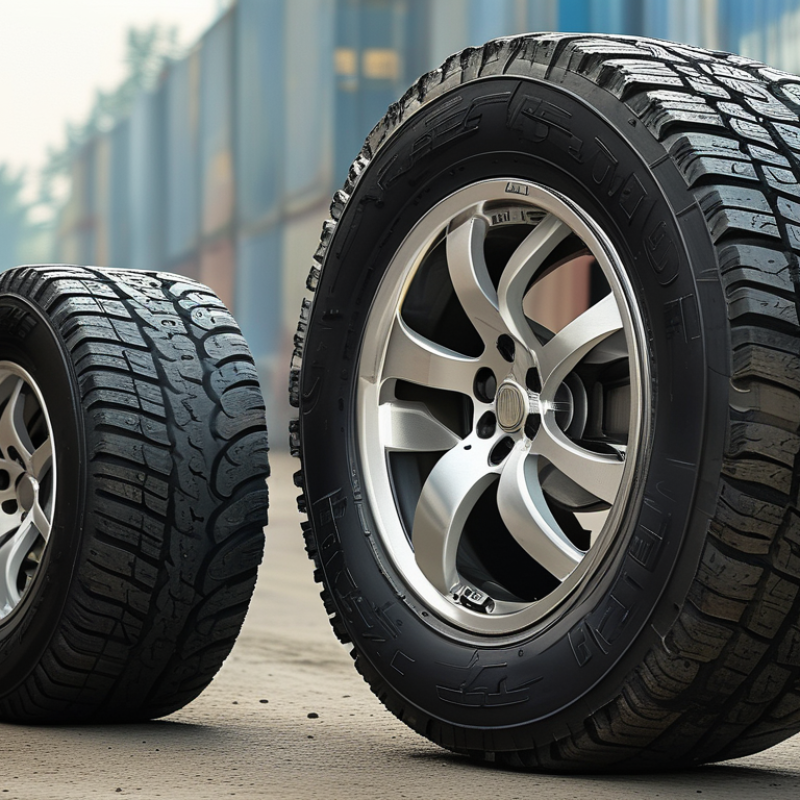
Rim load ratings are crucial for ensuring your vehicle's safety and performance. These ratings indicate the maximum load a wheel rim can support. Knowing this helps prevent tire blowouts and damage. It's not just about looking good; it's about functionality and reliability. A mismatch between the rim load rating and tire load index can lead to serious consequences.
Understanding load ratings is essential for vehicle owners. A higher load rating means a stronger rim. However, if tires do not match these ratings, issues arise. For instance, under-inflated tires can create excess pressure on rims. This pressure can cause structural failure. Drivers must always check their vehicle specifications to stay compliant and safe. Choices should be informed and precise, as errors can be costly.
Rims and tires work together. Each part relies on the other for optimal performance. When selecting rims, consider both load ratings and tire indexes. Always consult a professional if uncertain. Safe driving requires careful attention to details that many overlook. Ignoring these factors can jeopardize your safety on the road. Be mindful and ensure your choices reflect that awareness.
Understanding tire load indexes is crucial for vehicle safety and performance. A tire's load index indicates the maximum weight it can support. This number is usually found on the tire sidewall, often accompanied by other vital information. Load indexes range from 0 to 279, each representing a specific weight capacity.
When selecting tires, one must align these indexes with the rim load ratings. The rim must be sturdy enough to bear the tire's load capacity. Sometimes, drivers overlook this detail, which can lead to overloading and potential tire failure. Proper alignment of the load ratings with the tire specifications is essential for optimal vehicle safety.
It's also important to remember that these indexes can vary based on tire design and construction. Factors such as temperature and driving conditions may affect performance. Regularly reviewing and understanding load ratings helps in maintaining vehicle integrity. Taking the time to comprehend these details can prevent risks on the road.
When selecting tires for your vehicle, it’s crucial to understand the relationship between rim load ratings and tire load indexes. Rim load ratings indicate the maximum weight a rim can support. In contrast, tire load indexes specify how much weight a tire can carry. Understanding these specifications ensures safety and performance.
Matching rim and tire specifications requires attention to detail. For instance, if you have a rim rated for 1,200 pounds, using tires with a lower load index could be dangerous. Tires should ideally exceed the rim’s load rating. Small discrepancies can lead to tire failure. Regularly review load ratings and indexes to ensure compatibility.
Additionally, consider the overall vehicle load when making your choices. Some vehicles carry more weight than others. Always factor in passengers and cargo. This analysis can spotlight mismatched ratings that may compromise safety. Seeking expert advice can also help navigate these choices, providing deeper insights into load ratings and indexes.
When matching rim load ratings with tire load indexes, understanding load capacity is crucial. Start by checking the rim’s specifications. Each rim has a maximum load rating. This number indicates the weight it can safely support.
Next, examine your tires’ load indexes. The load index is a numerical code that relates to the maximum load a tire can carry. Cross-reference the load index with the rim rating. They must align to ensure safety and performance.
Tips: Always consult manufacturer guidelines for specifics. This will provide clarity. Consider potential variations in weight when fully loaded. It’s essential to account for additional cargo or passengers. Your vehicle's handling can be affected.
It's important to question whether you're overestimating your needs. Regularly reassess your load calculations. This ensures safety and prevents wear over time. Each vehicle setup can be unique, and what works for one may not work for another. Adjusting for real-world usage can be an ongoing process.
Understanding rim load ratings and tire load indexes is crucial for safe vehicle operation. The Tire and Rim Association publishes guidelines detailing these standards. Rim load ratings specify the maximum load a rim can support. Conversely, the tire load index indicates the maximum weight a tire can bear. Misalignment between the two can lead to tire failure.
For instance, a report by the International Tire and Rim Standards Organization (ITRS) highlights that a rim rated for 1,200 pounds paired with a tire rated at 1,000 pounds is incompatible. Regular checks are vital. Ignoring these recommendations leads to unnecessary risks. Inconsistent matching can cause blowouts or premature tire wear.
New regulations now emphasize load compatibility further. Reports indicate that 15% of tire failures are linked to mismatched ratings. Continued education on these regulations helps ensure safety. Vehicle owners frequently overlook the importance of proper matching. They must consult standards and professional guidelines to prevent potential accidents. Adopting a more informed mindset is essential for both consumers and industry professionals.
: A tire load index indicates the maximum weight a tire can support.
The load index is usually located on the tire's sidewall.
Proper understanding of load indexes helps prevent overloading and potential tire failure.
They must align to ensure safety and optimal vehicle performance.
Temperature and driving conditions can impact how a tire performs under load.
Start by checking both the rim’s specifications and the tire’s load index.
Yes, account for extra cargo or passengers when assessing load capacity.
Regularly reassessing helps ensure safety and prevent wear over time.
Yes, they can differ based on tire design and construction.
Drivers often overlook whether rim load ratings align with tire load indexes.
In the article "How to match rim load ratings with tire load indexes?", readers gain insight into the critical relationship between rim load ratings and tire load indexes. It begins by defining rim load ratings and highlighting their significance in ensuring vehicle safety and performance. The article then explores tire load indexes, providing a comprehensive overview that aids in understanding their role in load capacity.
Key considerations for matching rim load ratings with tire load indexes are discussed, alongside a step-by-step guide for calculating load capacity to ensure proper compatibility. The article emphasizes adherence to industry standards and regulations to maintain safety and efficiency in tire and rim use. Ultimately, this guide serves as a valuable resource for those looking to make informed decisions regarding their vehicle's wheel and tire systems.
