DrivePro Auto
Cleaning oxidized aluminum wheels can be a delicate task. Many car enthusiasts aim for that perfect finish without damaging the surface. Renowned automotive detailer, John Smith, once said, “A little care goes a long way in restoring aluminum wheels safely.” This highlights the importance of understanding the right techniques.
Knowing how to clean oxidized aluminum wheels without damaging the finish is crucial. Incorrect methods can lead to scratches or further oxidation. Using harsh chemicals can strip away protective coatings. It's important to choose gentle cleaners specifically designed for aluminum surfaces.
While some may skip the cleaning process due to fear of damage, it's essential to take the right steps. Gentle scrubbing with soft brushes or cloths helps remove oxidation without harm. Taking your time to ensure every corner is cleaned can significantly improve their appearance. Remember, you want to avoid quick fixes that may do more harm than good.
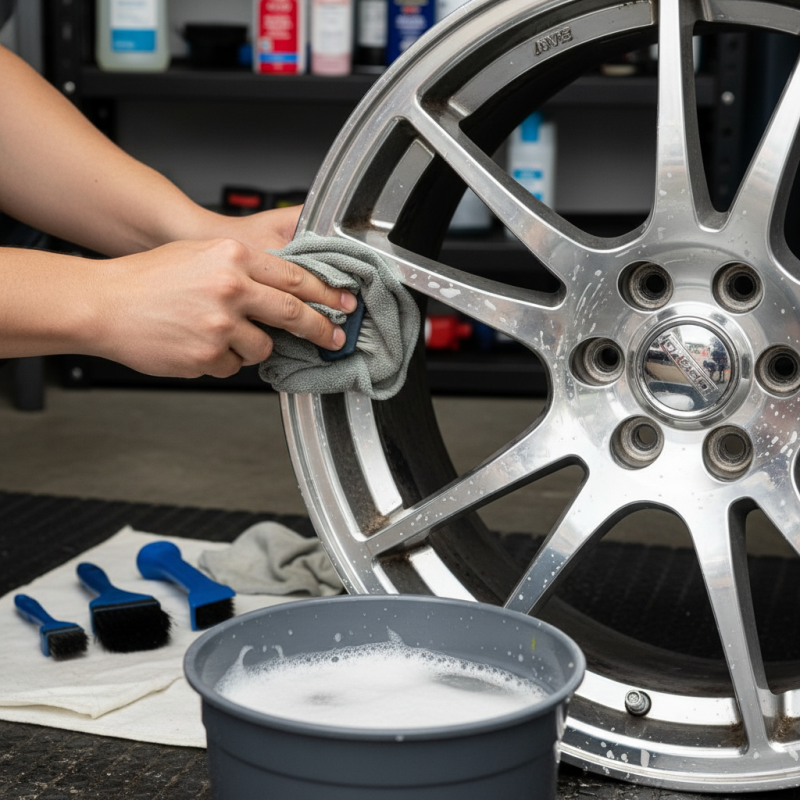
Cleaning oxidized aluminum wheels requires careful preparation. Start by gathering the right tools. A soft brush, microfiber cloth, and a gentle cleaner are essential. Get a bucket and fresh water, too. Avoid using harsh chemicals, as they can harm the finish.
Next, inspect the wheels. Look for areas with heavy oxidation. Note the spots that need extra attention. You may have to spend more time on these areas. After that, rinse the wheels thoroughly to remove dirt and debris. This step is crucial. It ensures the cleaner can work effectively.
Remember, patience is key. Allow the cleaner to sit for a minute. This wait can enhance its effectiveness. If you notice stubborn spots, it might be tempting to scrub harder. Resist that urge; a gentle touch works better. After cleaning, rinse the wheels again to remove any residue. This step leads to a smoother finish.
Identifying signs of oxidation on aluminum wheels is essential for maintaining their appearance and longevity. Look for a dull, cloudy finish. This usually means the protective layer has worn away. If you notice whitish powdery spots, you are seeing oxidation. These signs indicate that the wheels need immediate attention. Addressing oxidation prevents further damage.
Check for deeper scratches or pitting. These imperfections can worsen with time. A careful inspection may reveal uneven surfaces, which can affect wheel balance. Pay close attention to any flaking or peeling that may indicate severe deterioration. It’s important to visually assess your wheels regularly, as neglecting minor issues can lead to larger problems.
The process of cleaning oxidized wheels is not always straightforward. Simple soap and water may not suffice, especially with heavy oxidation. Some methods may unintentionally cause more harm than good. Using the wrong cleaning agent can lead to further corrosion. Reflecting on your cleaning approach is vital. Aim to use gentle solutions and soft cloths to preserve the finish.
When cleaning oxidized aluminum wheels, selecting the right cleaning products is crucial. Use a pH-balanced wheel cleaner to safely lift grime without damaging the aluminum. Avoid acidic or abrasive products which can cause further oxidation. A soft bristle brush can help reach crevices, ensuring a thorough clean.
Tips: Look for products labeled safe for aluminum. They often contain gentle chemical formulations. Always test a small area first. This ensures no adverse reactions occur. Water alone can sometimes do the trick, but tough stains may require specialized cleaners.
Using the right tools is equally important. A microfiber cloth prevents scratching while polishing the surface. Inspect your wheels for deep scratches or pits. These may need professional attention. Regular maintenance helps avoid severe oxidation and keeps your wheels looking their best.
Cleaning oxidized aluminum wheels can be tough. A step-by-step process helps achieve a pristine finish. Start by gathering your materials. You’ll need a soft brush, mild soap, water, and a microfiber cloth. Avoid abrasive tools. They can scratch the surface and worsen oxidation.
Wet the wheels with water. This softens dirt and grime. Apply a gentle soap solution. Use the soft brush to scrub the wheels carefully. Focus on areas with heavy oxidation. Rinse thoroughly afterward. Ensure that no soap residue remains, as it can lead to streaks.
Dry the wheels with a microfiber cloth to prevent spots. Inspect the surface. If oxidation persists, consider repeating the process. You may need to adjust your technique based on your wheel's condition. Remember, patience is key. Cleaning takes time, and results may vary. That's perfectly okay. Embrace the journey toward achieving those shiny wheels!
When it comes to maintaining oxidized aluminum wheels, the finishing touches are crucial. A well-chosen protective coating can significantly enhance the longevity of the aluminum surface. According to a report by the Specialty Equipment Market Association, over 70% of vehicle owners overlook this important step. This neglect often leads to premature wear and a dull appearance.
Applying a high-quality sealant provides a barrier against moisture and road grime. A study by the Institute of Automotive Engineering indicates that properly sealed wheels can last up to 50% longer than untreated surfaces. Additionally, it helps maintain the polished look. Yet, many DIY enthusiasts skimp on this vital step, mistakenly believing cleaning is enough. This misconception can lead to increased maintenance efforts down the road.
While various methods exist for protecting aluminum wheels, not all are equal. Some coatings can trap moisture, causing further oxidation. It's essential to choose products specifically designed for aluminum. To achieve the best finish, follow manufacturer guidelines closely. Regular inspection and reapplication of the coating is necessary to ensure optimal protection. Ignoring these responsibilities can lead to faded, oxidized wheels that detract from your vehicle's overall appearance.
: Use a pH-balanced wheel cleaner to prevent damage. Avoid acidic cleaners.
Water can help. However, tough stains often need specialized cleaners.
Use a microfiber cloth for polishing. It helps avoid scratches on the surface.
Inspect for scratches. Consider seeking professional help if they are severe.
Regular maintenance helps prevent severe oxidation. Clean them periodically.
Testing avoids adverse reactions. It ensures the product is safe for your wheels.
Focus on crevices with a soft brush. Rinse thoroughly to remove all soap.
You may need to repeat the cleaning process. Adjust your technique as needed.
Yes, cleaning can be time-consuming. Results vary, and that’s okay.
It may worsen the appearance and condition of your wheels. Regular care is essential.
Cleaning oxidized aluminum wheels requires careful preparation and the right techniques to avoid damaging the finish. To start, assess your wheels for signs of oxidation and any potential damage, which will guide your cleaning approach. Choosing suitable cleaning products and tools is crucial; opt for pH-balanced cleaners and soft brushes to prevent scratches.
The step-by-step cleaning process involves rinsing the wheels, applying the cleaner, and using gentle scrubbing motions to remove oxidation. After cleaning, ensure a thorough rinse and dry. Finally, applying a protective coating can help maintain the wheels' shine and prevent future oxidation. By following these steps, you will learn how to clean oxidized aluminum wheels without damaging the finish, ensuring your wheels look their best.
