DrivePro Auto
Determining a truck rim’s load capacity requires more than judging its thickness or appearance. The correct answer depends on the rim’s design, diameter, width, bolt pattern, material, and manufacturer rating. How much weight can a standard steel truck rim support? There is no universal figure, because “standard” rims vary between light-duty pickups, commercial trucks, and trailers.
This guide explains how to verify a steel rim’s capacity using stamped markings, manufacturer documents, and vehicle specifications. Look inside the rim, near the valve stem, or around the mounting area. You may find a size code, part number, production mark, or maximum load rating. Compare that information with the vehicle’s axle rating, tire load range, and recommended wheel specifications. The complete wheel-and-tire system must support the intended load.
Numbers matter. Never rely on appearance alone.
Real-world loading also creates stress beyond the parked weight. Potholes, sharp turns, uneven cargo, and repeated braking can increase forces on the rim. A wheel that seems suitable in a driveway may perform differently on a loaded highway truck. Corrosion, bent flanges, cracked welds, and enlarged bolt holes further reduce confidence. These defects require professional inspection or replacement.
A reliable assessment uses the lowest applicable rating. Check the rim, tire, axle, and vehicle manufacturer guidance before hauling. If markings are unreadable, contact the wheel manufacturer or a qualified commercial vehicle technician. I admit that quick online estimates can be convenient, but they can also mislead. Safe decisions depend on verified specifications, careful inspection, and realistic operating conditions.
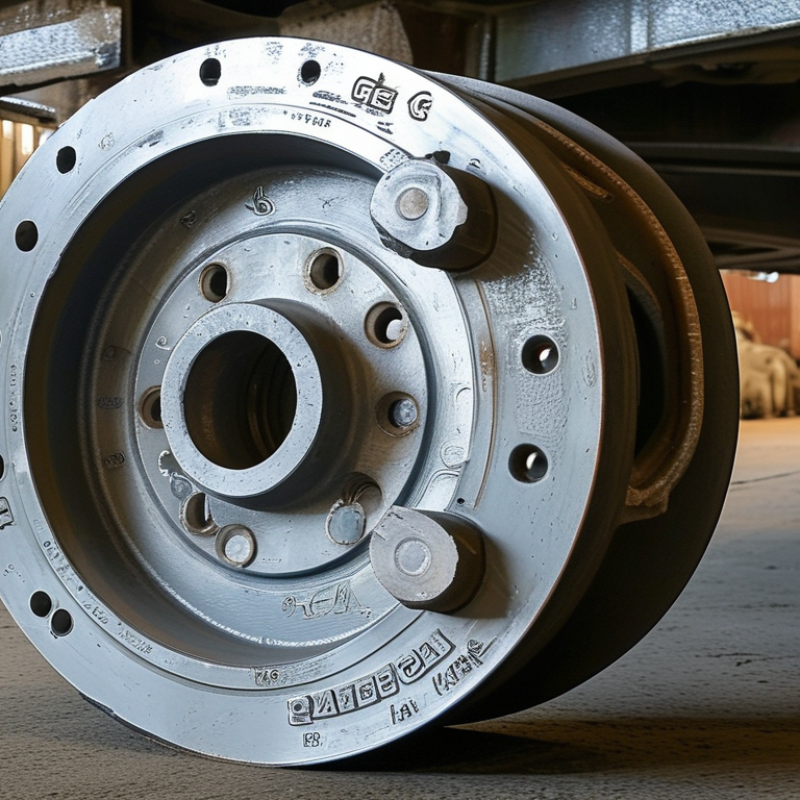
To check how much weight a steel truck rim supports, begin with its identity markings. Clean dirt from the inner barrel, valve area, and mounting face. Look for stamped or cast information such as 22.5 x 8.25, which indicates rim diameter and width. Record the bolt-hole pattern, center bore, offset, and whether the rim is one-piece or multi-piece. A tubeless rim may also show a contour or safety designation.
Do not estimate load capacity from size alone. Find the rim’s rated load, maximum inflation reference, or engineering code on the rim or its service documentation. Markings can be faint, painted over, or hidden behind the tire. Photograph each marking before removing anything. Small details matter. A missing digit can change the identification.
Inspect the rim for cracks, deep rust, bent flanges, elongated bolt holes, and weld repairs. A clean outer surface proves very little. It is easy to trust appearance too much. That assumption is weak. Match the rim rating with the axle load, tire rating, and vehicle requirements. The lowest rating controls the safe working limit. If the markings conflict, remain incomplete, or identify a multi-piece assembly, stop and ask a qualified wheel specialist to verify the rim. Never rely on a similar-looking replacement, because width, offset, and mounting details can differ.
How to Check How Much Weight a Steel Truck Rim Supports?
A steel truck rim’s rated load capacity should come from reliable specifications, not visual judgment. Start by recording the rim diameter, width, bolt pattern, offset, and stamped identification marks. These details must match the manufacturer’s technical document or certified catalog. The rating usually appears in pounds or kilograms per rim. Do not guess.
Check the specification sheet for the exact rim configuration. Similar-looking rims may have different load ratings because of thickness, mounting design, or intended axle position. Confirm whether the rating applies to single or dual-wheel use. Also compare the rim capacity with the tire rating, axle rating, and recommended inflation pressure. The lowest limit controls the safe assembly. Read the fine print.
A practical inspection includes cleaning rust and dirt from the inner barrel and mounting area. Photograph every marking before searching for documentation. If the stamp is incomplete, contact a qualified wheel supplier or inspection professional with the rim’s measurements and photographs. Do not rely on an old invoice or a seller’s casual estimate. I have found that measurements can be slightly wrong, especially after repainting or corrosion. That uncertainty matters. A rim that looks heavy and undamaged may still have hidden fatigue, distortion, or an unknown service history. Replace it when its identity or rated capacity cannot be verified.
How to Check How Much Weight a Steel Truck Rim Supports?
A steel truck rim’s load rating must match the truck’s axle and tire loads. Do not judge capacity from the rim’s diameter or thickness alone. Find the stamped rating on the rim, its technical sheet, or the vehicle service documentation. The rating usually applies to one wheel at a specified pressure.
Check the axle load first. For example, a 6,000-pound axle with two evenly loaded wheels requires at least 3,000 pounds per rim. Real roads are less forgiving. Uneven cargo, potholes, braking, and cornering can place extra force on one wheel. The tire must also support its share of the axle load at the correct cold inflation pressure. Use the lowest rating among the rim, tire, axle, and wheel hardware. That component controls the safe limit. Never exceed the stamped rim rating.
Tips: Inspect the rim for cracks, deep rust, bent flanges, and damaged bolt holes. Measure actual axle weights when the truck carries its normal cargo. A scale ticket is more useful than an estimate. Match the tire’s load index with the rim and axle ratings, not just the tire size. I have seen owners focus on total vehicle weight and miss an overloaded rear axle. That mistake is easy to make. Recheck the numbers after changing tire size, suspension parts, or cargo layout. When ratings conflict, stop and ask a qualified technician or engineer to verify the combination.
Match the rim rating with the truck’s axle and tire loads. The rim rating should meet or exceed the greatest calculated wheel-end load and must also be compatible with the tire and inflation pressure.
Calculations use representative heavy-truck configurations: front axle load divided across two wheel positions and tandem-drive axle load divided across eight wheel positions. Values are shown in pounds per wheel position. Always verify the actual axle rating, tire load index, inflation pressure, and rim stamping before service.
Checking a steel truck rim starts with its marked load rating, not its diameter. The 2024 Tire and Rim Association Year Book lists wheel and tire capacities against specified inflation pressures. Use the exact rim position, single or dual service, and approved tire size. Federal Motor Vehicle Safety Standard No. 120 requires the vehicle label to identify GAWR, tire size, rim size, and cold inflation pressure.
Weigh the loaded truck by axle on a certified scale. For example, a 17,800-pound drive axle shared by two rims creates 8,900 pounds per rim statically. Then inspect the rim rating at the actual pressure.
If a provisional 1.30 dynamic allowance is used, the screening load becomes 11,570 pounds per rim. That 30 percent is not a universal certification factor. It is only a cautious engineering estimate.
Real roads change the answer. A pothole, curb strike, hard braking event, or uneven cargo can load one rim far beyond half the axle weight. Check cold pressure, cracks, elongated bolt holes, corrosion, and stud torque before trusting the calculation. The lowest rating controls: rim, tire, axle, hub, or fastener system. I once treated equal axle loading as proof of equal wheel loading. It was a poor assumption. Recheck after cargo shifts or repeated impacts.
A steel truck rim supports its rated load only when its structure remains sound. Check the rim before calculating capacity. The U.S. Federal Motor Carrier Safety Administration identifies cracked, bent, loose, or improperly seated wheels as serious inspection concerns. Look closely around the bead seat, valve hole, bolt holes, and weld areas. Rust flakes, polished scrape marks, and fresh paint over a crack deserve attention. A clean-looking rim can still be unsafe.
Wear also reduces confidence in the original load rating. Measure flange thickness against the manufacturer’s specification, and inspect for elongated bolt holes or missing fasteners. Never treat a rim with a visible crack as serviceable. The Commercial Vehicle Safety Alliance’s 2024 International Roadcheck reported a 23.6% vehicle out-of-service rate, with wheel-end defects among the commonly recorded violations. That figure shows how small inspection failures become operational risks. Tire and Rim Association load tables can guide capacity checks, but they do not repair damage. The lowest-rated component controls the assembly. A rim may carry less than expected when corrosion, impact bending, incorrect offset, or poor seating is present. This is where assumptions fail. If markings are unreadable, the axle load, tire rating, rim dimensions, and service history should be verified by a qualified technician before continued use.
Check the stamped rating on the rim, technical sheet, or vehicle service documents. The rating usually applies to one rim at a specified pressure. Do not judge capacity by diameter or thickness alone.
Divide the actual axle load between the number of loaded rims. A 6,000-pound axle with two evenly loaded rims creates 3,000 pounds per rim. That is only a static estimate.
Cargo can shift, and potholes can sharply increase one rim’s load. Braking, cornering, and curb strikes also create uneven forces. Equal numbers can mislead.
Yes. Weigh the loaded truck by axle on a certified scale. A scale ticket is better than guessing from the truck’s total weight. Check the rear axle carefully.
Match the tire load index, rim rating, axle rating, and approved tire size. Use the correct cold inflation pressure. The lowest rating controls.
No. The exact rim position, tire size, inflation pressure, and service type matter. Single and dual applications may have different requirements. Size is only one detail.
A provisional 1.30 factor may screen for additional road forces. For example, 8,900 pounds becomes 11,570 pounds per rim. This is not universal certification. Ask a qualified technician to verify it.
Look for cracks, deep rust, bent flanges, elongated bolt holes, and damaged studs. Check fastener torque before operation. A damaged rim may fail below its marked rating.
Recheck after changing tire size, suspension parts, or cargo layout. Inspect again after repeated pothole impacts or shifted cargo. I once trusted equal loading too much. That assumption was poor.
To determine how much weight a steel truck rim can support, begin by identifying its diameter, width, bolt pattern, construction type, and stamped markings. These details help you locate the rim’s official load rating in reliable technical specifications. The key question, “How much weight can a standard steel truck rim support?” cannot be answered with one universal number because capacity varies by rim design, size, material, and application.
Next, compare the rim’s rated capacity with the truck’s axle loads and the tire’s load rating, using the lower limit as the practical restriction. Consider real driving conditions, including uneven cargo distribution, road impacts, braking, and inflation pressure. Before relying on the rim, inspect it for cracks, bends, corrosion, damaged mounting surfaces, or enlarged bolt holes, since these defects can reduce its safe supporting capacity. If any marking is unclear or damage is present, consult a qualified wheel specialist and replace the rim when necessary.
