DrivePro Auto DrivePro Auto

Top 10 Tips to Maintain Forklift Split Rims Safely?

Time:2026-10-30 Author:Henry
0%

Forklift split rims demand careful maintenance because a small defect can become a serious hazard during inspection or service. A cracked flange, corroded fastener, or damaged rim seat may be hard to spot beneath warehouse dust. Yet each detail matters. Treat the wheel as a safety-critical assembly, not just another item on a checklist.

How to maintain forklift split rims for warehouse safety? Start with routine visual checks, correct tire pressure, and a clear process for reporting damage. Look for cracks, distortion, loose or missing hardware, and signs of corrosion. Keep inspection records specific: note the truck, wheel position, date, and condition observed. Never improvise repairs or mix components that were not designed to work together. Stop and seek qualified service when a rim looks damaged or its condition is uncertain.

Split-rim work carries stored-energy risks. Follow the forklift and wheel manufacturer’s instructions, and ensure only trained, authorized personnel handle tire and rim service with suitable equipment. Clear the work area. Keep bystanders away. A rushed repair is not a safe repair.

A named expert quotation should be verified before publication; inventing one would undermine this safety guidance. This guide therefore uses a practical shop-floor reminder instead: “When rim condition is uncertain, stop and get qualified help.” The tips ahead focus on checks, cleaning, records, and safe escalation. Small habits help. They also deserve regular review, because even a good checklist can miss what it was not designed to catch.
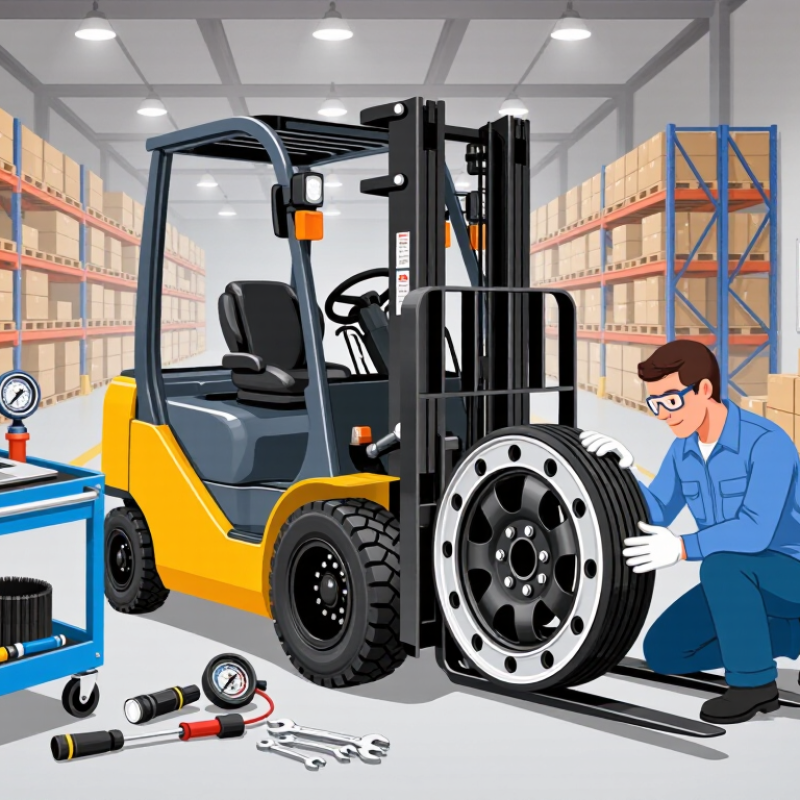
Top 10 Tips to Maintain Forklift Split Rims Safely?

Understand Split-Rim Components and Their Stored-Energy Risks

A split-rim wheel is an assembly, not a single piece. Depending on its design, it may include a rim base, side ring, and locking ring that hold the tire in place. The tire’s compressed air stores substantial energy. If a ring is damaged, mismatched, or seated incorrectly, parts can separate suddenly. That risk is easy to underestimate. Pause before handling the assembly.

Tips: Identify every component and confirm it matches the wheel. Follow the equipment maker’s service procedure. Keep your body out of the ring’s path. Never pry or hammer a pressurized assembly.

Before loosening parts, have a trained technician deflate the tire completely, remove the valve core, and verify zero pressure with a gauge. A hiss stopping is not proof. Inspect rings and rim surfaces for cracks, distortion, heavy corrosion, or wear; replace questionable parts rather than forcing them together. During inflation, use the specified restraint and stand clear of the trajectory. If the parts do not seat as directed, stop and reassess. It may feel slower, but guessing here is a poor trade.

Prepare a Safe Work Area with Rated Tools and Protective Equipment

Choose a level, well-lit work area with enough room to move the wheel without bumping other equipment. Keep people, loose parts, and vehicles out of the work zone. No shortcuts here. A split rim can release stored energy if handled incorrectly, so only trained personnel should service it. Follow the wheel and equipment manufacturers’ instructions, and confirm the rim components are compatible before work begins.

Use tools rated for the wheel assembly, including the correct bead tools and an approved inflation cage when inflation is required. Check tools for cracks, worn fittings, or damaged gauges before use. Keep it clear. Wear safety glasses and a face shield, sturdy gloves, hearing protection, and protective footwear. Before disassembly, fully deflate the tire, remove the valve core, and verify that no pressure remains. During inflation, use a clip-on air chuck and stand outside the likely path of released components. That matters. Setup can feel routine, but a crowded floor or one unchecked fitting is easy to overlook. Pause and inspect the area again before starting.

Inspect Tires, Rim Parts, and Fasteners for Damage or Wear

Before each shift, park the forklift on level ground, lower the forks, and secure it against movement. Examine each tire’s tread, sidewalls, and bead area under good light. Look for cuts, bulges, exposed cords, embedded debris, or uneven wear. A chalk mark can help track a suspicious spot between checks. Compare tire pressure with the equipment manufacturer’s specification; a tire that looks firm may still be underinflated. Look closely. Remove mud with a safe cleaning method, since grime can hide damage. Record concerns instead of relying on memory.

Inspect both rim halves for cracks, bends, heavy corrosion, or signs of separation. Check the fasteners for missing parts, visible looseness, damaged threads, and rust around their seats. Do not guess. A quick visual check cannot confirm correct torque, and tightening by feel may create another hazard. Use the specified procedure and suitable tools, or refer the job to qualified service personnel. If a tire or rim looks damaged, take the forklift out of service and report it. Never loosen split-rim components while the assembly may still contain pressure. Some defects are hard to spot in poor light, so a second inspection can be worthwhile.

Top 10 Tips to Maintain Forklift Split Rims Safely

Inspect tires, rim parts, and fasteners for damage or wear.

The chart groups ten practical inspection checks by area: four for tires, four for rim parts, and two for fasteners. It shows checklist coverage, not measured failure rates. Follow the forklift and rim manufacturers’ procedures; split rims should only be serviced by trained personnel using the proper equipment.

Clean and Maintain Components According to Manufacturer Guidance

Forklift split rims need cleaning and inspection according to the exact manufacturer instructions for that wheel assembly. Designs differ, so never assume parts or procedures are interchangeable. Before handling the rim, fully deflate the tire and follow the specified disassembly steps; stored pressure can make components dangerous. Use a soft brush and an approved cleaner to remove dirt, grease, and dried residue. Avoid abrasives or chemicals that could damage the finish or hide defects. Keep mating surfaces clean and dry. Small details matter.

Inspect each component under good light after cleaning. Look for cracks, distortion, corrosion, damaged locking surfaces, and worn fasteners. A rushed wipe can leave grime in a joint and obscure a warning sign. Do not weld, grind, or straighten damaged rim parts unless the manufacturer explicitly permits the repair. Replace questionable components with the specified parts, and have a qualified technician assess uncertain damage. No shortcuts here. Record cleaning and inspection findings, even when nothing appears wrong; consistent notes can reveal recurring wear. If the manual is unavailable, pause the work and obtain the correct procedure before reassembly.

Reassemble and Inflate the Wheel Using Approved Safety Procedures

Reassembling a forklift split rim demands clean parts, correct alignment, and trained hands. Before assembly, inspect every rim section, lock ring, and fastener for cracks, distortion, heavy corrosion, or wear. Replace questionable parts; never force a ring into place or mix components that are not designed to work together. Follow the wheel and tire manufacturer’s service instructions, including specified lubrication and tightening procedures. A ring that looks seated may still be unsafe.

Inflate the assembled wheel only inside a suitable restraining device, using a clip-on chuck, an in-line pressure gauge, and a remote valve. OSHA’s 29 CFR 1910.177 requires workers to remain outside the wheel’s trajectory during inflation. OSHA has cited estimates of about 20 worker deaths and 1,900 injuries annually from tire servicing; the hazard is not theoretical. Stand clear. Raise pressure gradually, check seating from a safe position, and never exceed the specified operating pressure. If the ring shifts, air leaks, or the assembly behaves oddly, stop, deflate remotely, and reassess. It can feel slow to check each detail, but rushing a split rim is a mistake worth reconsidering.

Top 10 Tips to Maintain Forklift Split Rims Safely — Reassemble and Inflate the Wheel Using Approved Safety Procedures
Tip Safety Focus Recommended Practice Why It Matters
1 Use qualified personnel Have split-rim or multi-piece wheel work performed only by trained personnel following the forklift, wheel, and tire manufacturers’ current service instructions and applicable workplace rules. These assemblies can release parts with extreme force if incorrectly assembled or pressurized.
2 Identify the wheel assembly Confirm the wheel design, rim components, tire, and required service procedure before starting. Do not assume that components from different wheel assemblies are interchangeable. Parts that appear similar may not fit or lock together safely.
3 Secure and support the forklift Park on a firm, level surface, lower the forks, switch off the truck, apply the parking brake, and use the manufacturer-approved method to support the vehicle before removing a wheel. Proper immobilization and support help prevent movement or crushing injuries.
4 Fully deflate before disassembly Before loosening or removing any rim component, remove the valve core and verify that all air pressure has escaped. Follow the specified procedure for the particular assembly. Residual pressure can eject rim parts during disassembly.
5 Inspect every component Check the rim base, side rings, lock rings, bead areas, and valve parts for cracks, bends, distortion, severe corrosion, or other damage. Remove defective parts from service. Damaged or distorted components may fail to seat or retain pressure.
6 Clean and match components Remove dirt, rust, and debris using an approved method. Reassemble only clean, compatible components, and replace parts only as directed by the applicable service information. Contamination or mismatched parts can prevent correct seating and locking.
7 Confirm correct assembly Position the tire and rim components in the prescribed order and verify that the lock ring is correctly seated around its full circumference before inflation. Do not hammer, force, or improvise a fit. A partially seated or incorrectly installed ring may separate under pressure.
8 Inflate with approved protection Inflate a multi-piece wheel only in the protective equipment and with the remote inflation arrangement specified by the applicable procedure. Keep the assembly restrained as required. Protective equipment helps contain components if the assembly fails during inflation.
9 Stay out of the trajectory Keep your body away from the side and trajectory of rim components during inflation. Use a clip-on chuck, an in-line pressure gauge, and a sufficient-length hose where specified; never lean over the assembly. These measures allow pressure to be monitored from a safer position.
10 Use the specified pressure and verify Inflate gradually to the tire or vehicle manufacturer’s specified pressure—never exceed the applicable limit. If seating appears abnormal, stop, fully deflate, and have the assembly inspected before proceeding. Correct pressure and a final inspection help reduce the risk of overinflation and service failure.

Important: Split-rim wheel servicing is hazardous. This table is a general safety reminder, not a substitute for hands-on training, the exact wheel assembly’s service instructions, or applicable safety requirements.

FAQS

What should I do before inspecting forklift tires?

Park on level ground, lower the forks, and secure the forklift against movement. Use good light.

Which tire problems should I look for?

Check the tread, sidewalls, and bead area for cuts, bulges, exposed cords, debris, or uneven wear. Look closely.

How can I track a suspicious tire spot?

Mark it with chalk and compare it during later checks. Also record concerns; memory can be unreliable.

Can a tire that looks firm still have low pressure?

Yes. Check pressure against the equipment manufacturer’s specification. Appearance alone can mislead.

What should I inspect on rim parts and fasteners?

Look for cracks, bends, corrosion, separation, missing fasteners, loose parts, damaged threads, or rust around fastener seats. It is easy to miss details.

Is tightening fasteners by feel enough?

No. Use the specified procedure and suitable tools, or ask qualified service personnel. No shortcuts here.

How should split-rim components be cleaned and inspected?

Follow the exact instructions for that wheel assembly. Fully deflate the tire before disassembly, then use a soft brush and approved cleaner. Keep mating surfaces clean and dry.

What should I do if rim damage is uncertain or the manual is missing?

Pause the work and obtain the correct procedure. Have a qualified technician assess questionable parts, and take damaged equipment out of service. Record the findings anyway.

Conclusion

How to maintain forklift split rims for warehouse safety? Begin by understanding how the rim components fit together and why a pressurized tire can contain dangerous stored energy. Only trained personnel should perform maintenance, using a clear work area, tools rated for the task, and appropriate protective equipment. Keep others away from the work zone, and follow the equipment manufacturer’s instructions throughout the process.

Before reassembly, inspect the tire, rim sections, and fasteners for cracks, deformation, corrosion, wear, or other damage; replace questionable parts rather than risking failure. Clean components as directed, without altering or mixing parts. Reassemble and inflate only with approved procedures and suitable safety equipment, keeping clear of the assembly during inflation. Routine inspections, careful handling, and proper records help identify problems early and support safer warehouse operations.

Henry

Henry

Henry is a dedicated marketing professional with a profound expertise in the company's offerings. With years of experience in the industry, he possesses an impressive understanding of the market dynamics and consumer behaviors that drive success. Henry is committed to sharing his insights through......