DrivePro Auto
In the world of heavy-duty trucks, wheel torque plays a critical role. It's not just a technical term; it impacts performance and safety. Why does wheel torque matter for heavy-duty commercial vehicles? Proper wheel torque ensures that wheels are securely fastened. This prevents accidents and improves handling on the road.
Heavy-duty trucks face unique challenges. They carry heavy loads and endure rough terrains. Incorrect wheel torque can lead to excessive wear and tear. Over time, this can cause problems that are costly to fix. Drivers and fleet managers must pay attention to this aspect.
Moreover, under-torquing can lead to loose wheels. This might seem minor, but it can cause serious issues. It's worth reflecting on how often wheel torque is checked. Consistent maintenance can save time and money in the long run. Prioritizing wheel torque isn't just a good practice; it’s essential for safe operations.
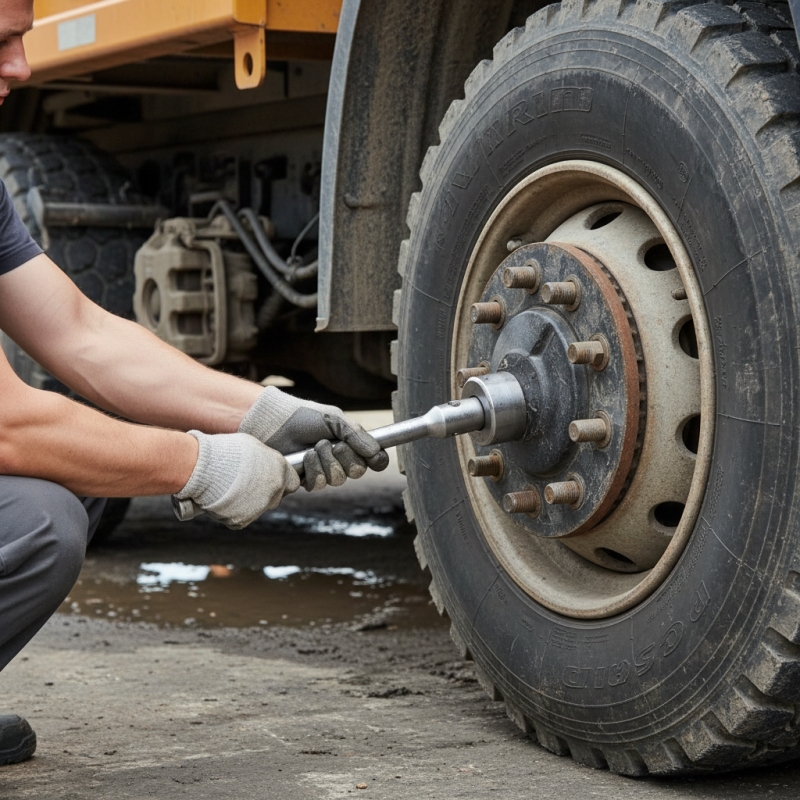
Understanding wheel torque is vital for the effective performance of heavy-duty trucks. Torque refers to the rotational force applied to the wheels. This force directly impacts how well a truck handles loads, especially under stress. Proper wheel torque enhances stability, ensuring that tires maintain optimal contact with the road. When torque is insufficient, it can lead to uneven tire wear, reducing lifespan and increasing maintenance costs.
The importance of regularly checking wheel torque cannot be overstated. Operators often overlook this aspect, which can result in dangerous situations. A loose wheel may detach, posing hazards on the road. On the flip side, excessive torque can damage wheel components. Surprisingly, achieving the right balance can be challenging for many fleet managers. Miscommunication between drivers and mechanics often leads to inconsistencies in torque settings.
Monitoring wheel torque is essential, but it requires discipline. Regular inspections should be part of routine maintenance. It’s an area where oversight can lead to severe consequences. Heavy-duty trucks must perform reliably, and proper torque is a fundamental factor that cannot be ignored. Operators must take responsibility, ensuring that their trucks meet safety and performance standards consistently.
Wheel torque is a fundamental aspect of heavy-duty truck performance. Proper wheel torque ensures that tires remain securely fastened to the axles. This direct connection improves traction, especially in challenging driving conditions. A secure connection enhances stability when navigating tight corners or uneven terrain. When wheel torque is too low, it can lead to tire slippage, which impacts driver control and safety.
In terms of efficiency, optimal wheel torque maximizes fuel economy. Securely fastened tires reduce rolling resistance. This means engines can work less to maintain speed, leading to lower fuel consumption. However, over-tightening the wheel bolts can cause stress on components, leading to premature wear. Achieving the right balance is key. Regular checks and adjustments help maintain this balance, ensuring trucks perform at their best. The importance of wheel torque cannot be overstated; it is a vital component of any heavy-duty trucking operation.
| Reason | Impact on Performance | Impact on Efficiency |
|---|---|---|
| 1. Optimal Load Distribution | Improves stability and handling | Reduces tire wear |
| 2. Enhanced Traction | Better acceleration and braking | Improves fuel efficiency |
| 3. Safety in Operation | Reduces risk of wheel detachment | Minimizes downtime |
| 4. Improved Steering Control | Accurate maneuvering | Lowers operational costs |
| 5. Consistent Wheel Alignment | Prevents uneven tire wear | Extends tire lifespan |
| 6. Enhanced Fuel Economy | Optimizes engine performance | Saves operational costs |
| 7. Reduced Vibration | Improves ride comfort | Lowers maintenance costs |
| 8. Lowered Maintenance Requirements | Fewer repairs needed | Improves ROI |
| 9. Compliance with Regulations | Meets safety standards | Prevents fines |
| 10. Increased Resale Value | Attracts buyers | Maximizes investment |
Proper wheel torque is essential for heavy-duty trucks. It plays a vital role in ensuring even tire wear. Under-torqued or over-torqued wheels can lead to uneven distribution of pressure. This can cause tires to wear out faster on one side. Regularly checking wheel torque can help extend the lifespan of tires.
Moreover, incorrect torque settings can affect the truck's overall performance. This can lead to safety issues on the road. Imagine a scenario where tires start losing grip. Such situations can be catastrophic, especially under heavy loads. A well-torqued wheel maintains better traction. It distributes weight evenly, enhancing stability during trips.
Heavy-duty trucks operate in challenging environments. They encounter rough terrain and extreme loads daily. With the right wheel torque, drivers can avoid excessive repairs and downtime. However, many neglect this critical aspect of maintenance. It is easy to overlook, but the consequences can be severe. Failing to address proper torque settings is a mistake that can haunt fleet operators.
Proper wheel torque is essential in ensuring the safety of heavy-duty trucks. Research shows that incorrect torque can lead to wheel detachment, causing dangerous accidents. According to the National Highway Traffic Safety Administration, improper wheel installation contributes to 25% of heavy truck accidents. This statistic highlights the need for precise torque specifications during maintenance.
Mechanical experts stress that achieving the correct torque supports optimal tire contact with the road. Uneven torque can result in uneven tire wear, reducing overall performance. A study from the Trucking Research Institute indicates that truck operators can enhance tire longevity by 30% with proper torque practices. This improvement not only saves money but also boosts safety.
Tips for achieving proper wheel torque include using a calibrated torque wrench. Always refer to the manufacturer’s specifications for the correct measurement. Regularly check the torque settings, especially after long journeys. Over time, vibrations can loosen wheel nuts, making re-torquing necessary. Remember, being proactive can prevent potential hazards on the road.
When discussing optimal wheel torque settings for heavy-duty trucks, it's crucial to consider several factors. One significant aspect is the truck's load capacity. Heavier loads necessitate higher torque settings to ensure the wheels are securely fastened. Inadequate torque can lead to tire wear, reduced fuel efficiency, and compromised safety. Ensuring proper torque tailored to specific loads is vital for performance.
Another element to consider is the type of terrain. Trucks operating on off-road or uneven surfaces may require different settings compared to those on highways. Environmental conditions can also play a crucial role. Hot weather may cause bolts to expand, while cold conditions can shrink them. Regular inspections are essential to adjust torque accordingly, as many overlook this aspect.
Lastly, the materials of the wheel and lug nut must not be ignored. Some materials may withstand more torque, while others might strip under pressure. It's important to follow manufacturer guidelines but also to use judgment based on experience and performance. Misjudgments in torque settings can lead to unexpected failures during operation. This highlights the importance of awareness and ongoing education in maintaining heavy-duty trucks.
: Wheel torque is the rotational force applied to a truck's wheels. It affects handling and load performance.
Proper wheel torque enhances stability and ensures tires maintain optimal contact with the road.
Insufficient torque can lead to uneven tire wear and reduced lifespan, increasing maintenance costs.
Regular checks prevent dangerous situations, such as loose wheels that can detach while driving.
Yes, excessive torque can damage wheel components and compromise truck safety.
Incorrect torque settings lead to uneven pressure distribution, causing faster tire wear on one side.
Load capacity, terrain type, and environmental conditions significantly affect optimal torque settings.
Uneven surfaces require different settings. Hot weather can expand bolts, while cold weather can shrink them.
Many overlook inspections, but they are crucial for adjusting torque and preventing operational failures.
Different materials can handle various torque levels; awareness of this is essential for performance and safety.
Wheel torque is a critical factor in the performance and safety of heavy-duty trucks. Understanding why wheel torque matters for heavy-duty commercial vehicles involves recognizing its role in enhancing performance and efficiency, impacting acceleration, braking, and overall vehicle operation. Properly calibrated wheel torque ensures that truck tires maintain optimal contact with the road, which not only improves handling but also increases fuel efficiency.
Additionally, there is a significant relationship between wheel torque and tire wear; incorrect torque settings can lead to uneven tire wear and decreased longevity of tires. Furthermore, ensuring proper wheel torque is paramount for safety, as improperly secured wheels can result in dangerous situations on the road. Various factors, including vehicle specifications, load conditions, and environmental influences, must be considered to determine optimal wheel torque settings for heavy-duty trucks, highlighting the importance of adhering to torque standards in truck maintenance.
