DrivePro Auto
A truck wheel can look like a simple steel circle until a mechanic reaches through its hand holes to check a lug nut. Hole count and shape affect access, wheel design, and the space available around brake components. Why do some truck rims have more hand holes than others? The answer usually involves wheel size, mounting pattern, brake clearance, intended application, and manufacturer design—not appearance alone.
The choice matters in a business where maintenance costs add up. The American Transportation Research Institute’s 2024 Operational Costs of Trucking report estimated average marginal operating costs at $2.270 per mile in 2023. That figure covers many expenses, not rims specifically, but it shows why practical service details deserve attention. A wheel that gives clear tool access may simplify inspection; however, more openings do not automatically mean better cooling or a stronger wheel. That sounds simple; it isn’t. Material, load rating, and proper fit still matter.
This guide offers five practical tips for comparing hand-hole patterns, from checking access to understanding design trade-offs. Look closely at the opening edges, too. A clean pattern is useful, but it cannot replace the wheel’s specifications or an experienced technician’s inspection. Even a small detail can be easy to misread.
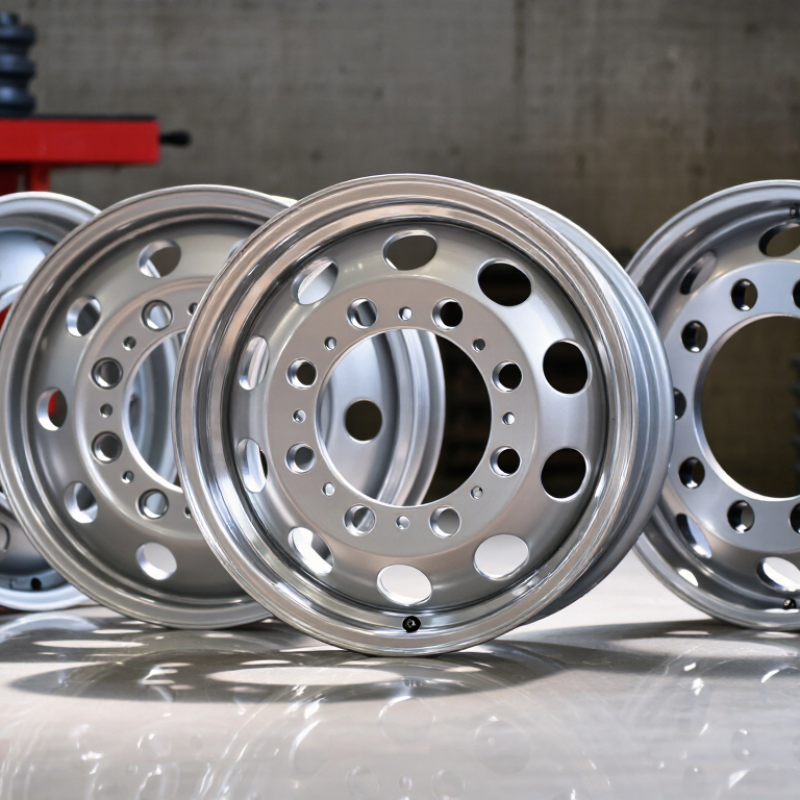
Hand holes are the larger openings in a truck wheel’s center disc. They let a person grip or handle the wheel and may also reduce material around the disc. They are not fasteners. Their shape, size, and number depend on the wheel’s design, so more openings do not automatically mean a stronger or heavier-duty wheel.
A typical 10-lug pattern means ten smaller holes arranged around the hub. These are lug holes, where the wheel attaches to the vehicle. Hand holes sit between or around them and serve a different purpose. That distinction matters. At a glance, the openings can blur together, especially on a dusty wheel. Count the lug holes separately, and check the wheel’s specifications before judging fitment.
Tip: Look closely at the center disc. Lug holes are evenly spaced for mounting; hand holes are usually larger and shaped for access or handling. Don’t rely on appearance alone. I have found that a quick count can be misleading when openings overlap visually. Confirm the bolt pattern, wheel dimensions, and load rating using reliable specifications, not just the number of visible holes.
Hand-hole layouts on truck wheels are more than a styling detail. On many steel wheels, openings are stamped into the disc, with their number and spacing shaped by the wheel’s design and intended fit. The holes can make it easier to reach fasteners and inspect components behind the wheel. Some layouts also reduce material, but hole count alone does not indicate strength or load capacity. That matters.
Aluminum wheels often have broader, more sculpted openings because the material and manufacturing process allow different shapes. Their layouts may leave thicker sections around the hub or rim, where strength is important. Steel wheels more commonly use repeated, rounded openings, while aluminum designs can use elongated slots or irregular windows. Neither pattern automatically provides better brake cooling; airflow depends on the complete wheel and vehicle setup. Looks can fool.
During routine checks, look closely at the edges of each opening. Rust, sharp damage, cracks, or fresh deformation deserve attention, especially near the hub area. A wheel with more hand holes may offer easier access, but it must still match the vehicle’s size, load rating, and mounting specifications. Even a familiar pattern can be misleading. Check the wheel markings and vehicle requirements before choosing a replacement.
Compare example hand-hole layouts on steel and aluminum truck wheels. The chart shows hole counts for two layout examples—not market averages or material-specific standards.
Five quick tips: Hand-hole count is a design choice, not something determined by steel or aluminum alone. More openings can provide more access around the wheel; opening shape and spacing also matter. Compare the wheel’s load rating, fitment, and manufacturer specifications before choosing a replacement.
Hand holes give technicians access to lug nuts, valve stems, and brake components. Their number and position can affect how easily a tool reaches a fastener behind the wheel. On a crowded axle, a socket may need a clear path past the rim and brake hardware. More openings can help—but only when they line up with the actual service points.
The openings may also support airflow around the brake assembly. Yet a rim is not a brake-cooling system, and hole count alone cannot predict temperature or stopping performance. Wheel shape, brake design, load, speed, and operating conditions all matter. FMCSA’s Large Truck and Bus Crash Facts 2022 counted 5,936 large trucks involved in fatal crashes. That figure does not link crashes to rim openings; it underlines why routine inspection matters more than visual assumptions.
A practical check is simple: confirm tool clearance, inspect for cracks or deformation, and use a wheel rated for the vehicle and load. More holes also mean more edges and less material in the wheel’s face, so engineering and testing matter. Not automatically better. I used to read extra openings as an obvious cooling upgrade. That shortcut can mislead; compare the wheel’s specifications and brake setup before drawing conclusions.
A truck rim’s hand holes can help reduce weight, allow airflow, and provide access for inspection. More holes do not automatically mean a stronger or better wheel.
Tip one: Check the wheel diameter and width against the vehicle’s approved fitment range. A rim that looks close may still leave the tire rubbing the suspension or fender.
Tip two: Confirm the bolt pattern and center bore. They must match correctly for secure mounting and proper centering.
Tip three: Verify offset and backspacing before buying. These measurements affect how far the wheel sits inward or outward. Even a small change can alter clearance around brake parts and steering components.
Tip four: Read the load rating on the wheel and compare it with the truck’s requirements. The wheel must support the intended load, including cargo or towing demands. Hole count cannot tell you that.
Tip five: Inspect the rim for cracks, bends, and damaged mounting surfaces, especially on a used wheel. Check the tire maker’s size guidance, too.
A quick visual check helps, but it can miss a poor fit. I’d double-check the vehicle and wheel specifications rather than trust appearance alone. That extra check is easy to skip.
More hand holes can make a truck rim easier to grip and inspect, but the openings also change the wheel’s structure. Their number alone does not show whether a wheel is safe or durable. The key question is whether the complete wheel design meets applicable SAE J267 performance requirements. Check the standard’s current edition and confirm which tests apply to the wheel’s size, material, and intended service.
Ask for test documentation tied to the exact wheel configuration, not just a similar-looking rim. The report should identify the sample, test method, results, and any relevant limits. Fatigue testing matters because repeated loads can reveal weaknesses that a visual check misses. Small details count: hole shape, edge finish, and spacing between openings can affect stress around each cutout. Look closely. A neat finish is useful, but it is not proof of performance.
When comparing designs, verify that the tested wheel has the same hand-hole layout and key dimensions as the one being considered. Changes to those details may make earlier results less relevant. Have questions? Ask the supplier or a qualified test laboratory to explain the report and its scope. It is easy to overread a test certificate; I would treat it as evidence for a specific configuration, not a blanket promise for every wheel.
| Tip | Hand-Hole Layout | Why the Number May Differ | Practical Check | SAE J267 Verification |
|---|---|---|---|---|
| 1. Start with wheel design, not hole count alone. | Wheels may use different numbers, shapes, and spacing of hand holes. | Layout is influenced by the wheel’s construction, dimensions, load application, and intended vehicle fitment. A higher count is not, by itself, proof of better strength or performance. | Confirm the wheel’s rated load, size, offset, mounting details, and application using its technical documentation. | Check that the exact wheel design and applicable configuration are covered by the manufacturer’s test evidence for the current SAE J267 requirements. |
| 2. Consider access for inspection and service. | Additional or differently positioned openings can provide more access around the wheel. | Hand holes can help with visual inspection and access to components behind the wheel, depending on the vehicle and brake arrangement. | Check whether the openings provide useful access without interfering with brake parts, fasteners, or other nearby components. | Service access does not replace structural testing. Verify that the tested wheel configuration meets the applicable J267 procedures and acceptance criteria. |
| 3. Balance access with material around openings. | A wheel with more openings has more interruptions in the wheel disc than a similar design with fewer openings. | Opening size, shape, edge finish, and spacing affect local stress distribution. These factors must be considered together; hole count alone cannot predict durability. | Look for approved manufacturing details and inspect for cracks, deformation, corrosion, or damage around openings. | Use documented test results for the production wheel design. Do not assume that changing the number, shape, or position of openings leaves prior test results applicable. |
| 4. Match the wheel to its operating duty. | Hand-hole patterns can vary among wheels intended for different sizes, loads, and service applications. | Road conditions, vehicle loading, and duty cycle affect wheel service demands. The same-looking layout does not establish that two wheels have the same capacity. | Compare the wheel’s rated capacity with the vehicle and axle requirements, including the specified tire and mounting arrangement. | Confirm the relevant J267 test coverage for the wheel’s intended application. Follow the standard’s applicable procedures rather than inferring compliance from appearance. |
| 5. Treat compliance as test-based. | There is no reliable visual shortcut from hand-hole count to SAE J267 compliance. | Performance depends on the complete wheel design, materials, manufacturing, and test configuration—not simply the number of openings. | Request traceable documentation identifying the tested wheel design, rating, test basis, and any relevant configuration limits. | Verify the edition and scope of SAE J267 required for the application, and review the applicable test records with the wheel supplier or qualified engineer. |
Note: Hand-hole count and layout are design features, not standalone measures of wheel strength. SAE J267 requirements and test applicability should be confirmed against the current standard and the specific wheel configuration.
They provide access to fasteners and components behind the wheel. Some layouts also reduce material. Looks can fool.
Steel wheels often have repeated, rounded openings. Aluminum wheels may use longer slots or sculpted windows.
No. Hole count alone does not show strength or load capacity. Brake cooling depends on the full wheel and vehicle setup.
Look for rust, cracks, sharp damage, or fresh bends. Pay close attention near the hub.
Check diameter, width, bolt pattern, and center bore against the vehicle’s approved specifications. A close-looking fit can still cause rubbing.
They affect how far the wheel sits inward or outward. Small changes can reduce clearance around brakes or steering parts.
Read its load rating and compare it with the truck’s requirements, including cargo or towing needs. Hole count cannot confirm this.
It helps, but it may miss a poor fit. Check for cracks, bends, and damaged mounting surfaces. I might overlook that extra check.
Hand holes are the openings in a truck wheel’s center section, while a 10-lug pattern describes the number and arrangement of mounting holes around the hub. These features serve different purposes, so a wheel’s hand-hole count should not be confused with its lug configuration. Why do some truck rims have more hand holes than others? The layout can reflect differences in wheel design, material, and the access needed for inspecting or servicing components. Steel and aluminum wheels may use different opening shapes and arrangements, but more openings do not automatically mean better performance.
Hand holes can make tool access easier and may affect airflow around the brakes, yet their number alone does not determine a wheel’s suitability. Always consider wheel size, offset, and load rating alongside the opening design, and confirm that the wheel meets relevant SAE J267 test requirements. Choosing a wheel based on these factors together provides a more reliable assessment than judging it by appearance or hole count alone.
