DrivePro Auto
DrivePro Auto
DrivePro Auto
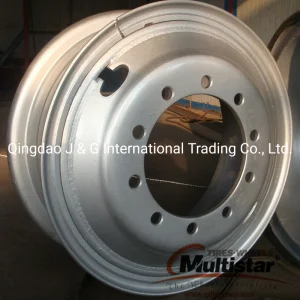
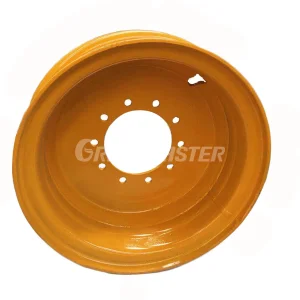
High-integrity industrial wheel rims and components manufactured to precise geometric runout tolerances, ensuring perfect alignment compatibility.
Analyzing industry growth, structural demands, and the critical link between wheel geometric tolerance and alignment calibration.
The global heavy-duty transport, construction, and agricultural sectors are experiencing unprecedented technological acceleration. In commercial trucking, logistics optimization, and heavy industrial operations, the durability of wheel assemblies directly governs vehicle downtime, fuel efficiency, and tire longevity. As vehicles become more integrated with autonomous steering systems and advanced driver assistance systems (ADAS), the demand for micron-level wheel alignment precision has transitioned from a standard maintenance task to a critical engineering imperative.
Crucially, high-performance wheel alignment is physically impossible without structurally sound and geometrically perfect wheel rims. A vehicle's wheel alignment parameters—namely camber, caster, toe-in/toe-out, and thrust angle—rely on the assumption that the wheel hub and the rim rotate about a perfectly concentric axis. If a steel rim or forged alloy wheel exhibits even minor radial or axial runout, alignment tools and optical sensors will record inaccurate data, leading to improper calibration, accelerated wear on steering linkages, and catastrophic tire degradation. Therefore, premium OEM/ODM wheel rims are the foundational hardware supporting global alignment integrity.
How manufacturing tolerances of heavy-duty rims dictate the limits of wheel alignment tools and calibration accuracy.
Radial runout occurs when the wheel is out-of-round, causing it to bounce vertically. Lateral runout (wobble) causes a side-to-side oscillation. Forged aluminum and high-tensile steel wheels from premium factories limit these variations to less than 0.8mm. This ensures that alignment clamp sensors read precise planar data, avoiding false steering angle sensor adjustments.
Hub-centric wheels ensure the rim is centered exactly on the vehicle's spindle hub. Any deviation in center-bore tolerances shifts the entire wheel assembly off-axis. Precision CNC machining ensures center-bore alignment matches OEM vehicle specifications, eliminating vibration and stabilizing the vehicle's steering geometry.
Wheel offset dictates the position of the tire centerline relative to the mounting surface. Incorrect offset shifts the scrub radius, causing tracking errors and heavy steering resistance. Strict ODM tolerances guarantee that the hub-to-rim face distance matches suspension geometry parameters perfectly, ensuring steady tracking.
A trusted global supplier engineering high-capacity, high-precision wheel systems for heavy industry and commercial transport.
Shandong DrivePro Auto Co., Ltd. is a professional manufacturer and global supplier of wheel rims in China, with a modern production base located in Dongying City, Shandong Province. Since its establishment in 2016, the company has been dedicated to the research, development, manufacturing, and export of high-quality steel and alloy wheels for international markets.
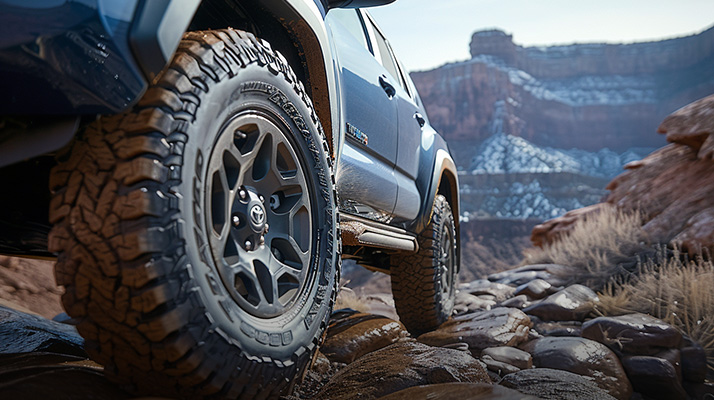
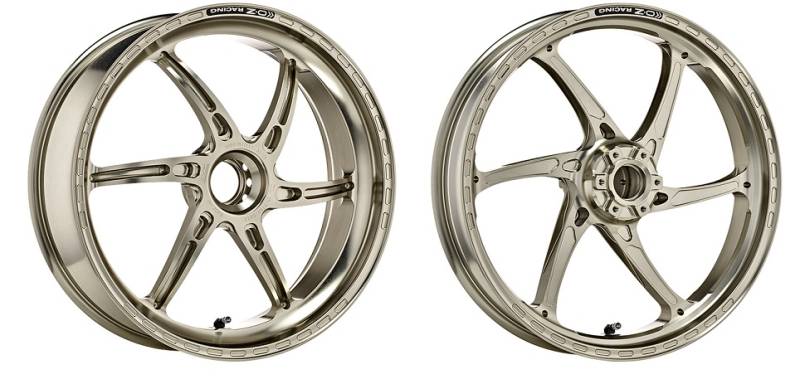
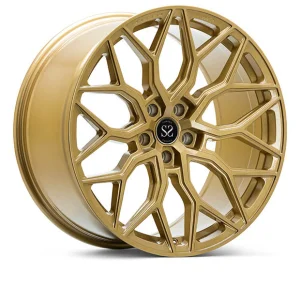
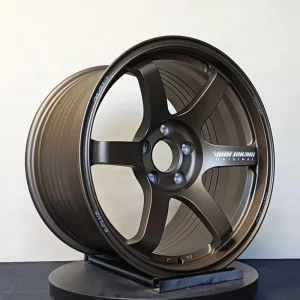
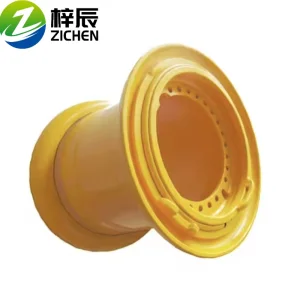
As an experienced and export-oriented wheel manufacturer, DrivePro offers a comprehensive range of over 1,000 wheel rim specifications, supported by an annual production capacity of up to 3 million units. Our main product portfolio includes steel truck wheel rims, aluminum alloy truck wheels, forklift wheels, agricultural and tractor wheels, construction machinery wheels, trailer wheels, as well as customized alloy wheels. These products are widely used in commercial vehicles, industrial transport, agricultural equipment, and heavy-duty machinery applications across the globe.
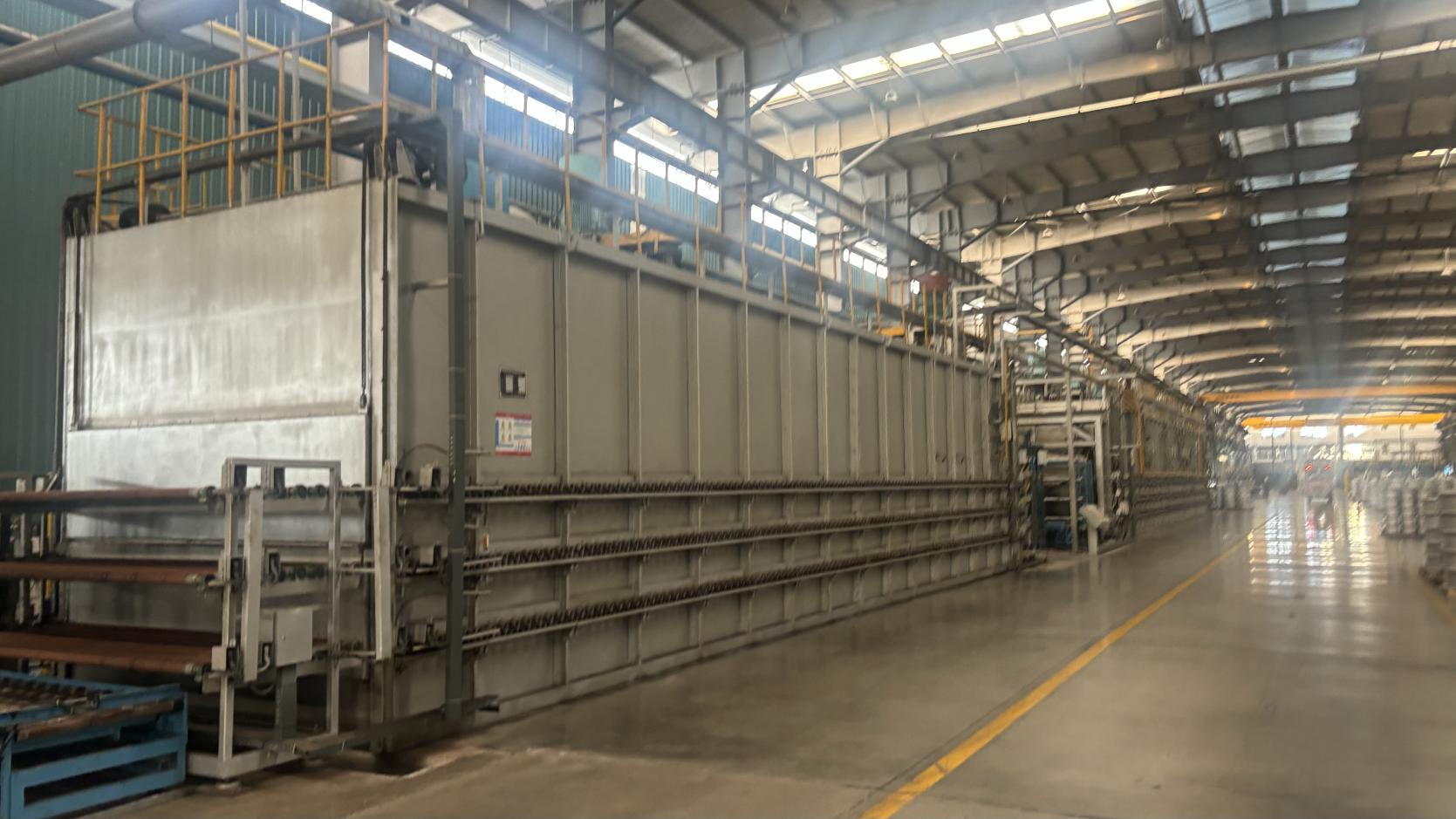
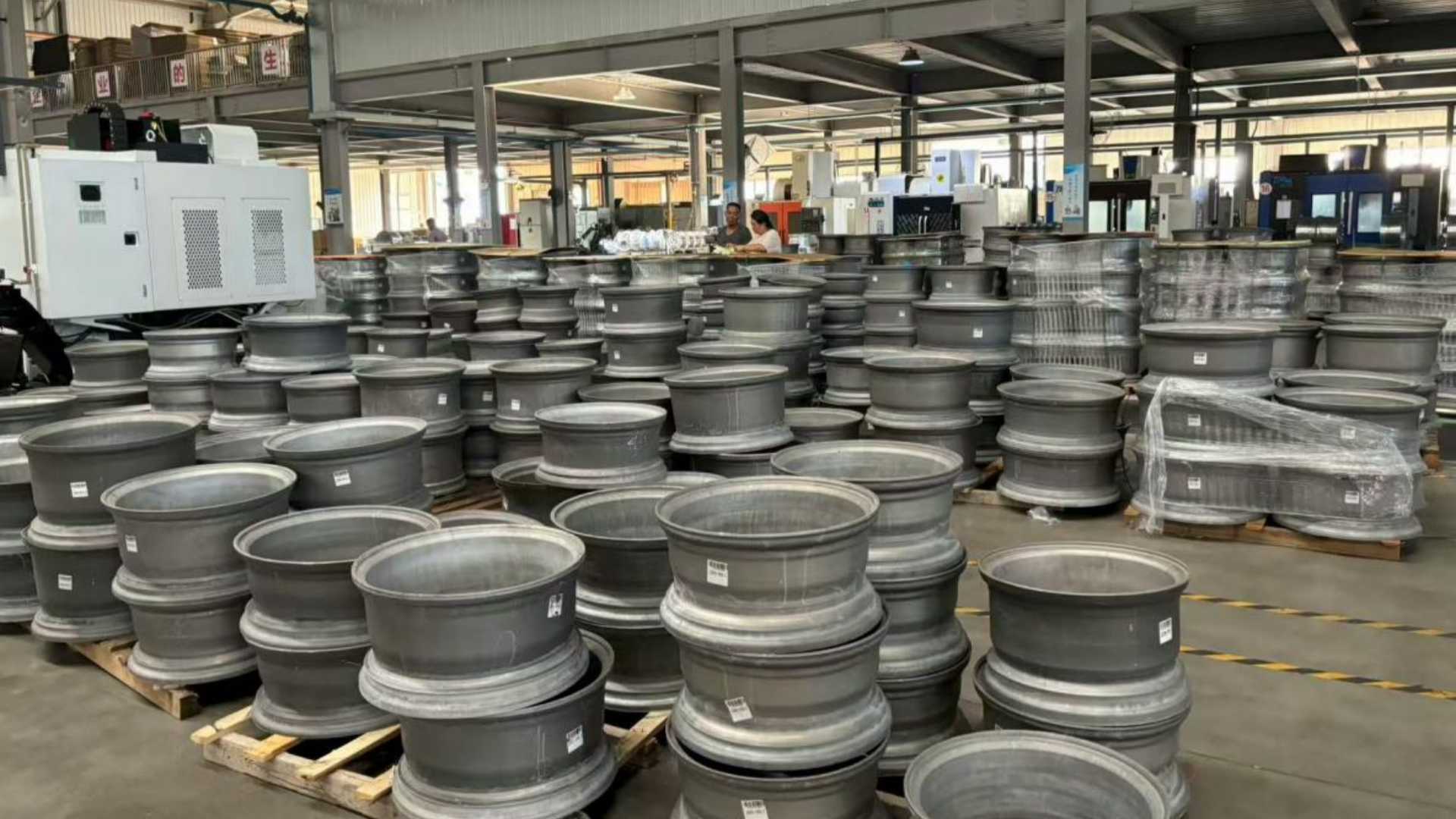
DrivePro operates a fully integrated production system, covering product design, R&D, mold development, precision manufacturing, quality inspection, and international logistics. With advanced automated production lines, strict process control, and a skilled engineering team, we ensure consistent product performance and reliable delivery for our global partners.
As a trusted supplier in the international market, DrivePro strictly complies with global quality standards. Our products are certified with IATF 16949, European TÜV, U.S. DOT, and Brazil INMETRO, ensuring full compliance with the requirements of different countries and regions. We continuously invest in technology innovation and quality improvement to meet the evolving demands of OEM customers, distributors, and fleet operators worldwide.
Under our brand “RICHRISE”, DrivePro adheres to the core philosophy of “Integrity First, Quality Oriented.” We are committed to building long-term partnerships by providing durable, high-performance wheel solutions, competitive pricing, and efficient export services.
To become a globally trusted provider of premium wheel solutions under the “RICHRISE” brand, guided by integrity, innovation, and excellence, and recognized for delivering products that meet the highest international standards.
To continuously supply a diverse range of high-quality wheel products, including over 1,000 specifications and customized solutions, to global markets. Leveraging our strong production capacity and advanced manufacturing capabilities, we aim to meet worldwide demand while strictly adhering to international certifications such as IATF 16949, TÜV, DOT, and INMETRO.
Step-by-step production protocol demonstrating our state-of-the-art heat treatment, machining, and roundness testing stages.
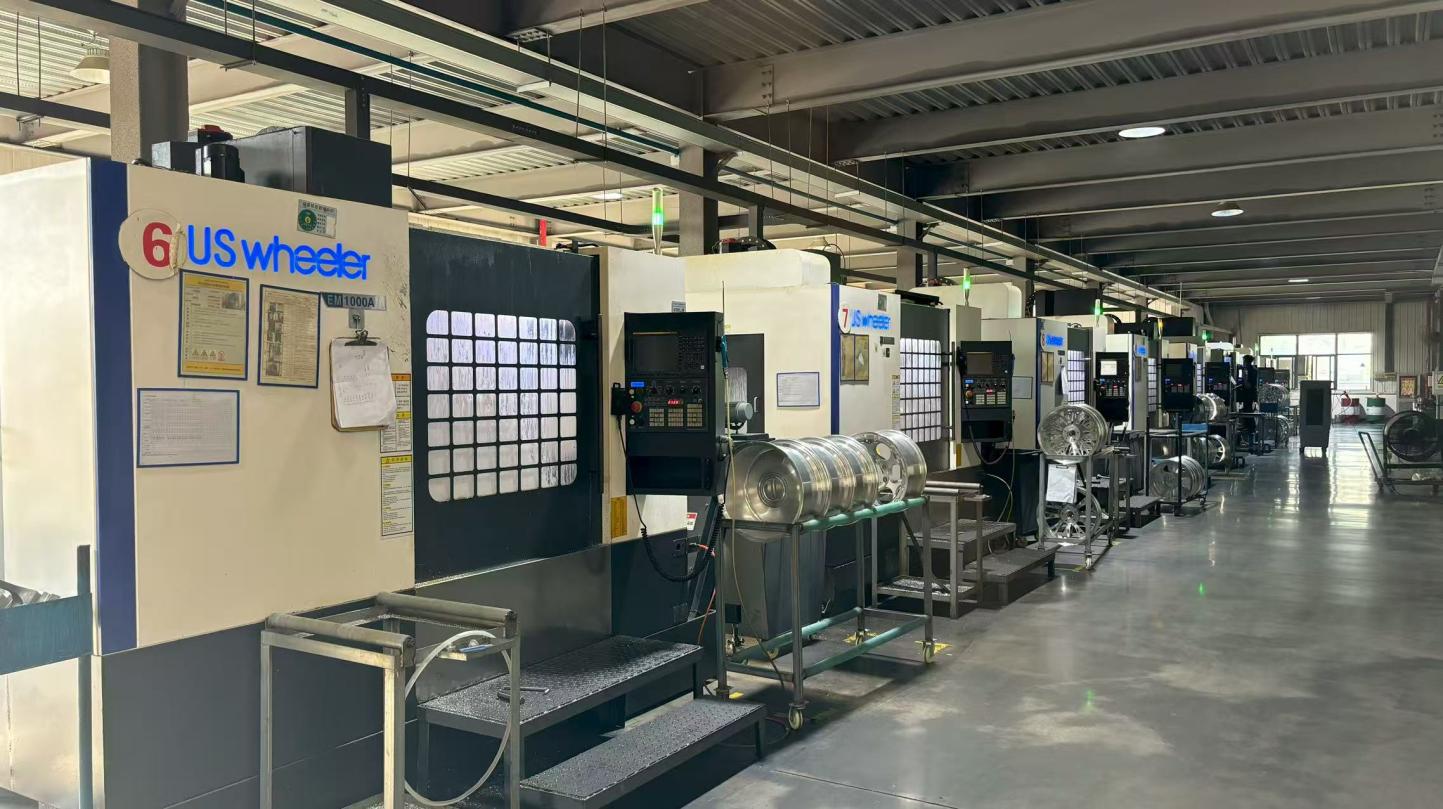
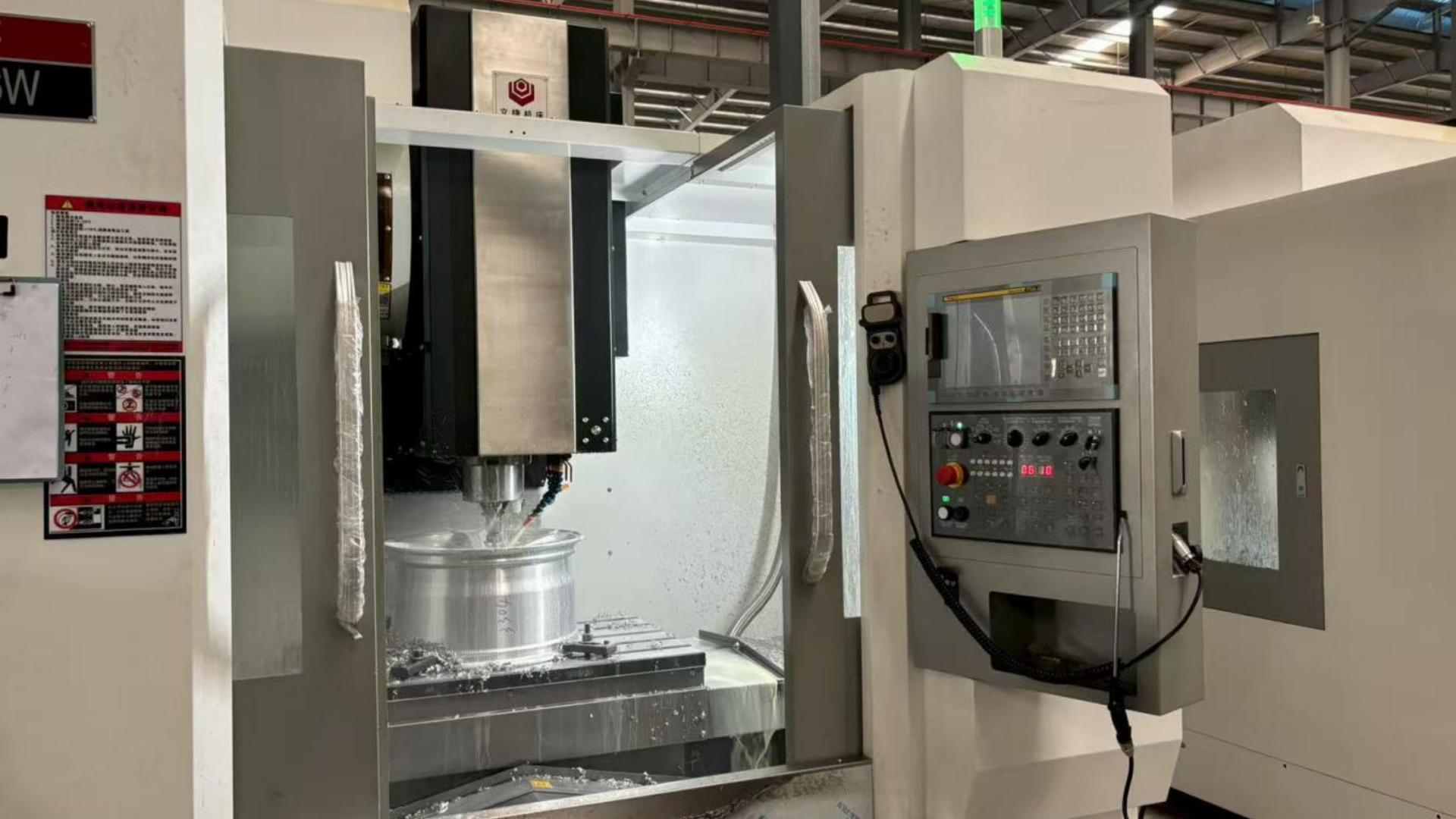
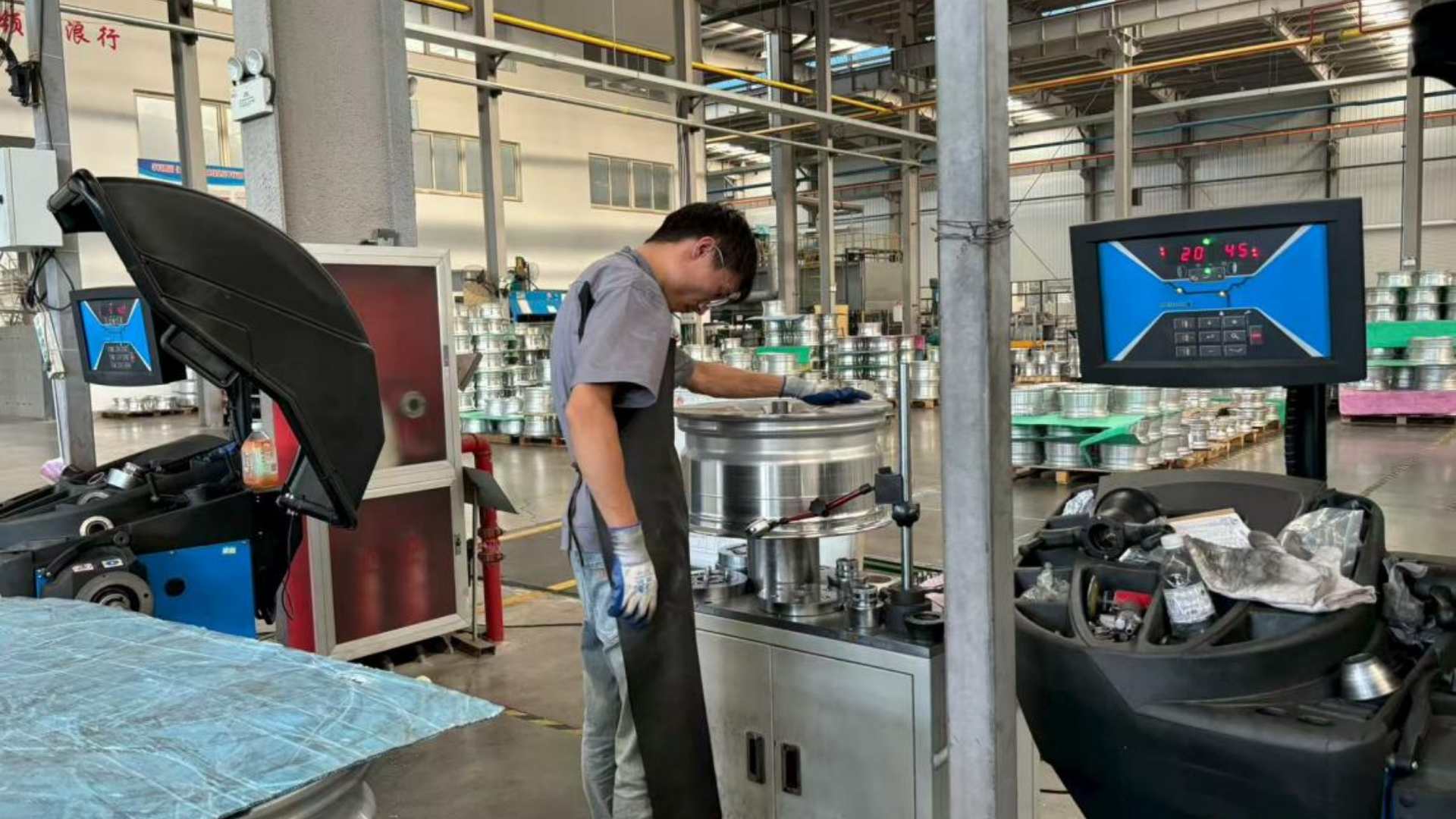
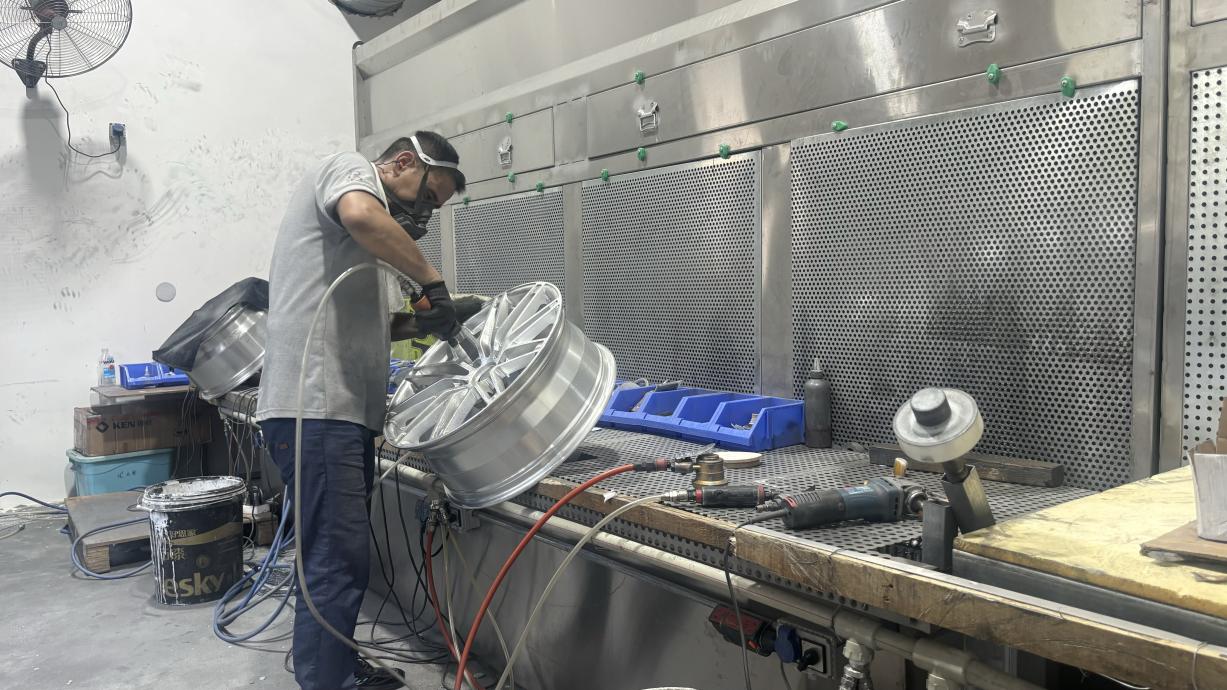
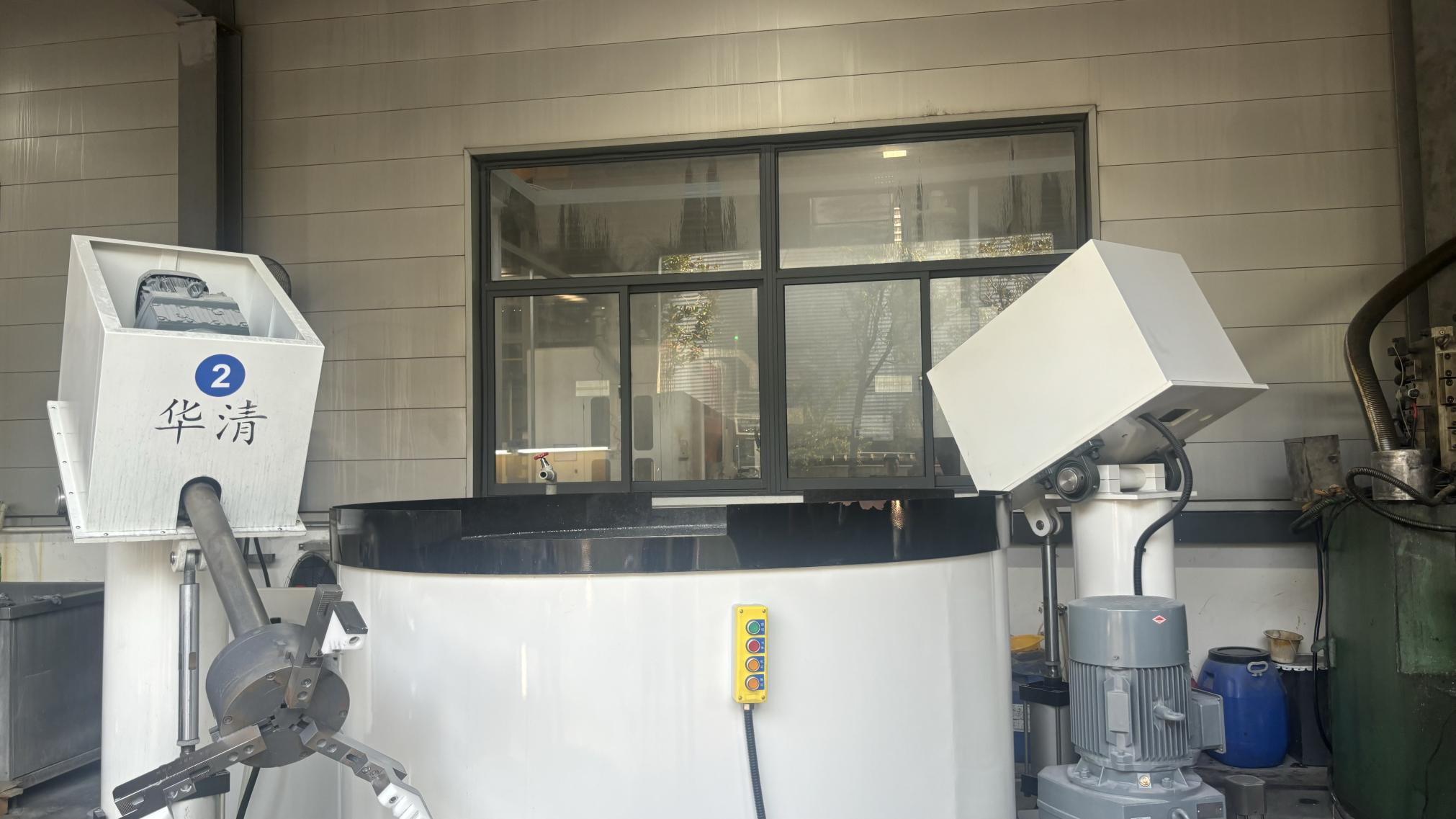
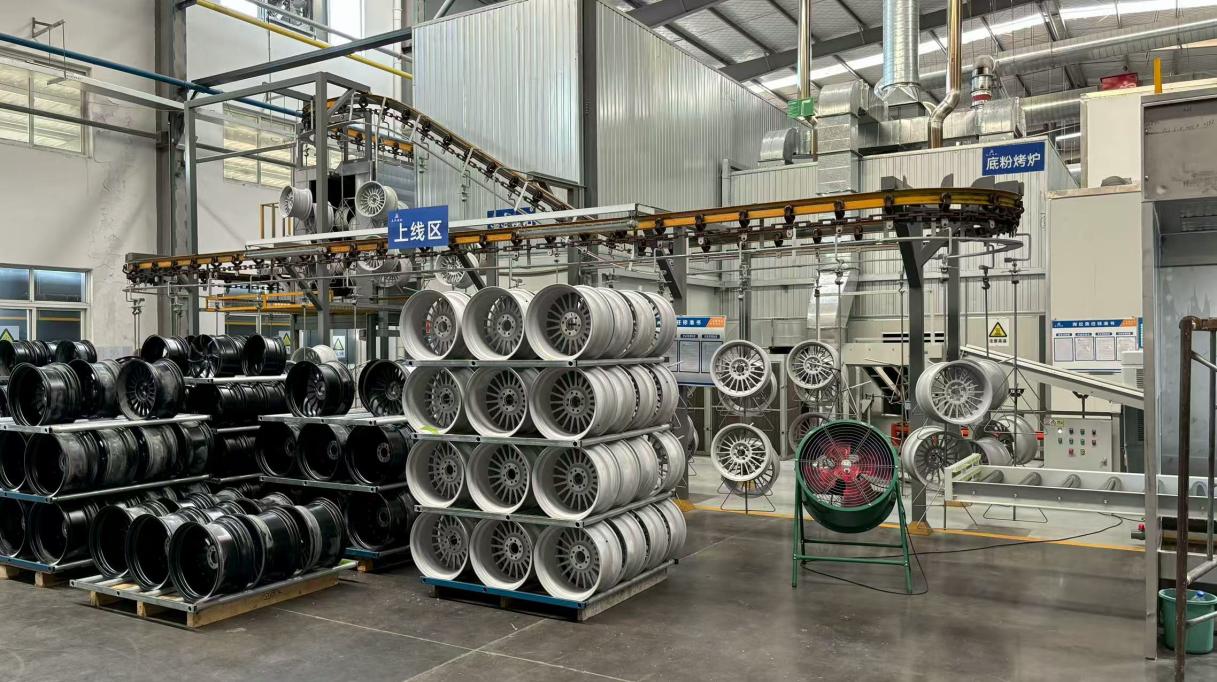
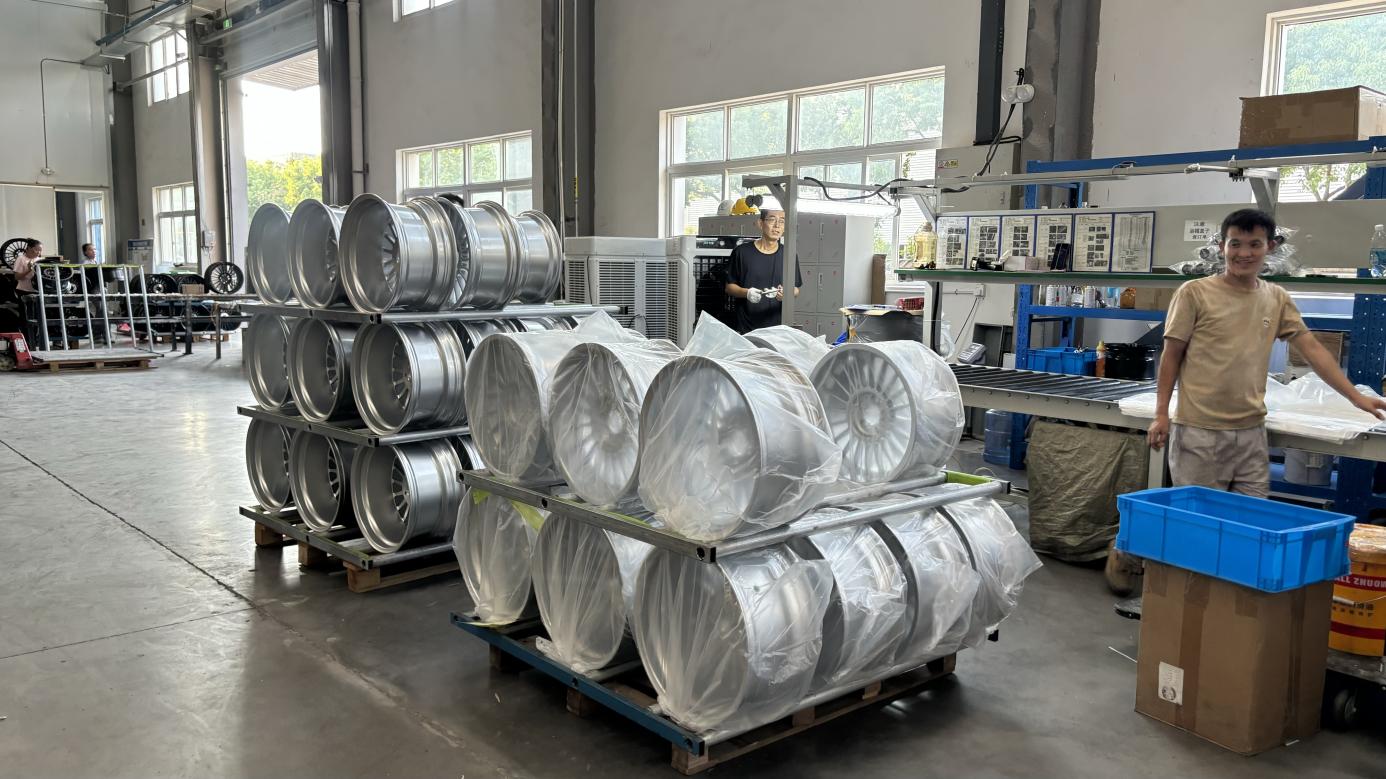
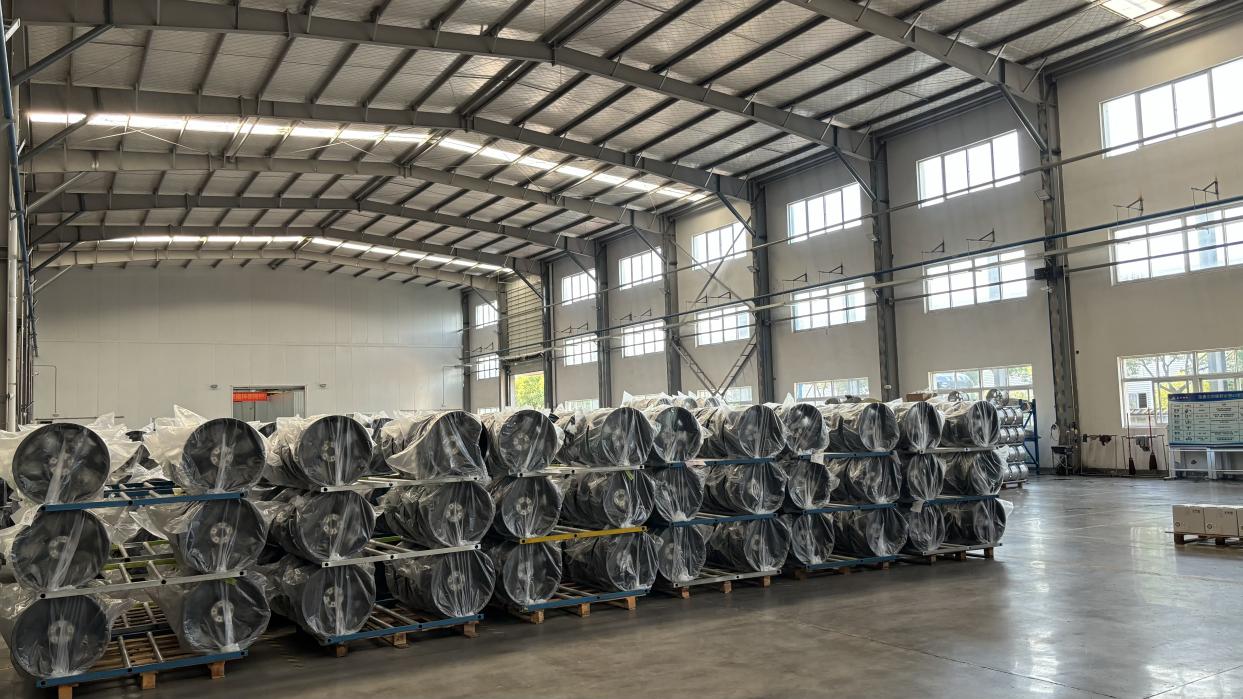
Exploring how our alignment-compliant wheels perform under localized conditions from deep-pit mining to high-precision agriculture.
Operating environments worldwide vary dramatically, demanding tailored engineering parameters for wheel systems. Our OEM/ODM capabilities adapt to these challenging local conditions:
How next-generation materials, intelligent sensors, and carbon-neutral production are reshaping wheel structures.
The next decade of wheel manufacturing will bridge the gap between mechanical structures and digital telemetry. As autonomous vehicles demand real-time diagnostics, wheel rims are evolving from passive components into active sensor nodes. Shandong DrivePro is tracking these core innovations to define the future of our product design:
1. Integrated Hub Telemetry: Embedding strain gauges and thermal sensors directly into forged alloy centers. These sensors communicate directly with the vehicle’s central processor and external wheel alignment tools to diagnose offset, balance, and camber deviations in real-time, eliminating the need for periodic manual tracking inspections.
2. High-Strength Ultra-Light Materials: Leveraging advanced aluminum-magnesium alloys and hybrid carbon-composite barrels. These reduce unsprung weight by up to 35% compared to traditional steel structures, reducing load on steering linkages while maintaining exceptional resistance to deformation.
3. Advanced Aerospace Coatings: Moving beyond simple powder-coating to specialized ceramic-matrix composite (CMC) sprays and eco-friendly physical vapor deposition (PVD) chroming. These coatings resist abrasive mud, salt spray, and extreme temperatures, ensuring the rim structural integrity does not degrade under caustic conditions.
Addressing the critical engineering questions raised by distributors, fleet operators, and OEM procurement managers.
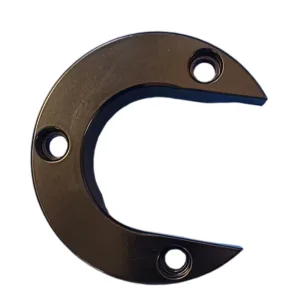
Explore our heavy-duty solutions, utility truck rims, lock rings, and specialized machinery wheels designed for demanding operations.